Yet, Islamabad continues to extract support, including from Washington, by virtue of its control over the Taliban at a time when America seeks to negotiate a face-saving withdrawal after 19 years of war in Afghanistan.
Meanwhile, New Delhi’s August crackdown in J&K, which in many respects still continues, has brought an unwelcome international spotlight onto India’s human rights record. In the US Congress, traditional bipartisan support for India is giving way to criticism, including from Indian-origin representatives such as Pramila Jayapal, who has tabled a resolution in the House of Representatives that criticises India’s heavy-handedness in Kashmir. While that has received support from only 63 members in the 435-member House, a growing chorus of anti-India criticism from American civil society and the powerful liberal media could complicate the problem. So far, the US administration has remained silent, with President Donald Trump stating during his visit to New Delhi that India should resolve its own internal problems. However, a senior administration official noted pithily: “What the US Congress says today is usually what the administration will say tomorrow.”

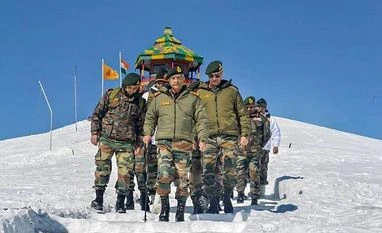 "Balakot, a year on: What has changed for India after the airstrike?")









