Banks to seek leeway from RBI for new asset reconstruction company

Senior bankers said over 70 per cent provision for assets will be moved to the ARC
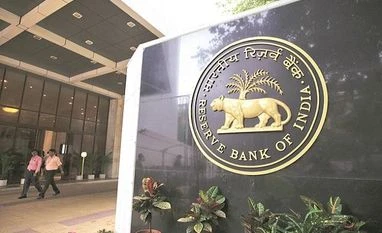
RBI, reserve bank of india
The initial capital pegged at Rs 10,000 crore for the ARC will support the buying of toxic assets in excess of Rs 1 trillion
Abhijit Lele Mumbai
2 min read Last Updated : Feb 04 2021 | 6:10 AM IST
Banks, especially public sector lenders, are planning to approach the Reserve Bank of India (RBI) to seek leeway in certain conditions for a new asset reconstruction company (ARC). The proposed ARC intends to take over bad loans of public sector banks (PSBs).
 
At present, the RBI mandates banks to seek bids from prospective investors for better price discovery. In the case of PSBS, which will move non-performing assets (NPAs) to the proposed ARC, it is a transfer of assets, not sale.
 
Besides, banks may have to make additional provisions when the ARC issues security receipts (SRs) when taking over assets. Banks will be issued SRs for 85 per cent value of assets; the balance 15 per cent will be given in cash.
 
Senior bankers said over 70 per cent provision for assets will be moved to the ARC. The ARC will also be owned by banks, which will transfer the assets. Banks will make a case before the RBI, seeking relaxation in provisioning for SRs, which will be a part of the investment book of banks.


The initial capital pegged at Rs 10,000 crore for the ARC will support the buying of toxic assets in excess of Rs 1 trillion. The total book value of assets eligible for transfer is about Rs 50,000 crore.
 
Besides ARC, an independent and professionally managed asset management company (AMC) will be set up to manage assets with a focus on turnaround. The AMC will set up alternative investment funds and solicit commitments from banks, as well as domestic and international investors.
 
Global rating agency Standard and Poor’s in a statement said to establish a ‘bad bank’ to manage lenders’ troubled assets and strengthening the National Company Law Tribunal framework could benefit banks in-principle.
 
It will ensure the management bandwidth is not spent on recoveries from weak credits.

One subscription. Two world-class reads.

Already subscribed? Log in

Subscribe to read the full story →
*Subscribe to Business Standard digital and get complimentary access to The New York Times

Smart Quarterly

₹900

3 Months

₹300/Month

SAVE 25%

Smart Essential

₹2,700

1 Year

₹225/Month

SAVE 46%
*Complimentary New York Times access for the 2nd year will be given after 12 months

Super Saver

₹3,900

2 Years

₹162/Month

Subscribe

Renews automatically, cancel anytime

Here’s what’s included in our digital subscription plans

Exclusive premium stories online

  • Over 30 premium stories daily, handpicked by our editors

Complimentary Access to The New York Times

  • News, Games, Cooking, Audio, Wirecutter & The Athletic

Business Standard Epaper

  • Digital replica of our daily newspaper — with options to read, save, and share

Curated Newsletters

  • Insights on markets, finance, politics, tech, and more delivered to your inbox

Market Analysis & Investment Insights

  • In-depth market analysis & insights with access to The Smart Investor

Archives

  • Repository of articles and publications dating back to 1997

Ad-free Reading

  • Uninterrupted reading experience with no advertisements

Seamless Access Across All Devices

  • Access Business Standard across devices — mobile, tablet, or PC, via web or app

Topics :Reserve Bank of Indiaasset reconstruction companiesBanking sector

Next Story


