Chana prices buck declining trend in pulses
Chana was selling at an average price of around Rs 8,000 per quintal in August, but moved up to Rs 9,750 per quintal in September
Sanjeeb Mukherjee New Delhi Reserve Bank of India (RBI) Governor Urjit Patel might have targeted to keep retail inflation at around five per cent till March 2017, but as he has pointed out in his maiden policy review, there are many upside risks to this target.
One such risk, which Patel and his team will have to deal with, might come from chana; prices of the gram have shown a steady rising trend in the past few weeks.
The entire pulses complex has cooled down — with prices of some like moong (green gram) even dropping below the minimum support price (MSP), necessitating government intervention — but chana has stood out from the rest.
Data sourced from the department of consumer affairs showed in the last one month, chana prices in major wholesale markets of the country have moved up by Rs 2,000-3,000 a quintal largely due to a supply crunch. This was despite the fact that the government had extended stockholding on pulses by a year. Besides, the Securities and Exchange Board of India had suspended chana futures. The August Wholesale Price Index-based inflation rose to a two-year high of 3.74 per cent from 3.55 per cent in July. Inflation in pulses fell to 34.55 per cent from 35.76 per cent in this period.
Traders said in some wholesale markets, chana was selling at an average of Rs 8,000 a quintal in August. But in September, it moved to Rs 9,750 a quintal, with all possibility of the price moving further at least till December-end or January.
In other words, during the peak festival season, chana prices are expected to be high.
Chana contributes to 40 per cent of all pulses grown in India. Chana production in the 2015-16 rabi season dropped to 7.17 million tonnes, the lowest since 2008-09.
Being a rabi crop, the new harvest is expected to hit the market somewhere around January.
Import price of chana is somewhat favourable at Rs 5,400-6,500 a quintal. But there too is a catch, as heavy rains in Australia have reportedly damaged 30 per cent of the standing crop. Australia is one of the largest exporters of chana to India.
“For three years, chana was selling at below the MSP of Rs 2,950 a quintal in the mandis, which coupled with back-to-back drought compelled farmers to shift to other crops in the last rabi season. The fallout of this is being felt now,” said Pravin Dongre, chairman of India Pulses and Grains Association (IPGA).
The retail and wholesale price of chana also showed a sharp divergence, which meant that whatever impact on prices was happening in wholesale markets was not getting adequately transferred to the retail markets.
The average difference between the wholesale and retail rates of chana is around Rs 1,850 a quintal.

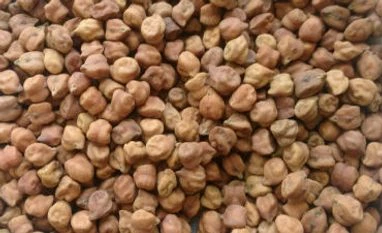 "Chana prices buck declining trend in pulses")


 Connect with us on WhatsApp