Home / India News / Coronavirus impact: Govt plans to set up Rs 600-crore fund for DSA
Coronavirus impact: Govt plans to set up Rs 600-crore fund for DSA
A high-level committee headed by Eswara Reddy, joint drug controller general, was formed after the novel coronavirus (Covid-19) outbreak in China to study the situation in India
premium
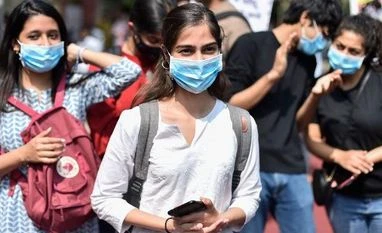
Students wearing protective masks participate in a demonstration 'Delhi Chalo' against Citizenship (Amendment) Act at Jantar Mantar in New Delhi
2 min read Last Updated : Mar 04 2020 | 1:31 AM IST
The Union government is planning to create a Rs 600-crore fund to set up the proposed drug security authority (DSA), which would monitor the growth of the indigenous bulk drug ecosystem through a cess on raw material imports.
A high-level committee headed by Eswara Reddy, joint drug controller general, was formed after the novel coronavirus (Covid-19) outbreak in China to study the situation in India and make recommendations on how to improve preparedness. The panel submitted its report to the government recently.
An official who was part of the committee said that India imports bulk drugs, intermediates and key starting material (KSM) worth Rs 30,000 crore in a year. “If a cess of one per cent is levied on the imports, it would create a fund of Rs 300 crore or so. The government, too, will invest a few hundred crores and the aim is to have a fund of around Rs 600-700 crore that would be used by the DSA to build the necessary infrastructure and provide incentives to local industry,” he said. The DSA would be under the department of pharmaceuticals).
At the moment, the government is not considering imposing an anti-dumping duty on imports from China as India is not prepared to make the necessary raw materials to meet the domestic requirement. “An anti-dumping duty at this time would only make the raw materials very expensive and hit the local industry,” a government official said.
The DSA would use the funds to scout technology or support research to find technology that would enable the local manufacturers to make the bulk drugs and other raw material at lower cost.
Moreover, the authority would incentivise projects that have a certain scale of production because economies of scale would enable low-cost manufacturing. If needed, a number of manufacturers can come together to start a project. There would be a minimum cut-off project size (output capacity) depending on the product to avail incentives.


 "Coronavirus impact: Govt plans to set up Rs 600-crore fund for DSA")









