Covid-19 has created deflationary conditions, says CEA Subramanian

He also said that a good part of the Rs 20 trillion stimulus package is designed in a manner that the fiscal deficit remains under control.
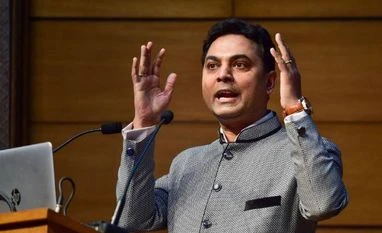
CEA K Subramanian
Last week, the government raised its market borrowing programme by a whopping 54 per cent of the Budget estimate to Rs 12 trillion for the current fiscal to fund a comprehensive stimulus package of Rs 20 trillion
Agencies
2 min read Last Updated : May 15 2020 | 1:48 AM IST
Ruling out any impact of stimulus on the price situation, Chief Economic Advisor K V Subramanian on Thursday said the Covid-19 pandemic has severely dented the demand for non-essential or discretionary goods, creating deflationary conditions.

He also said that a good part of the Rs 20 trillion stimulus package is designed in a manner that the fiscal deficit remains under control.

“Covid has a significant deflationary impact because demand especially for non-essential or discretionary goods and services will go down significantly. Therefore, it is unlikely that there would be too much inflationary impact through fiscal deficit or stimulus package,” Subramanian told PTI in an interview.

The proposed stimulus package will generate demand by infusing liquidity into the system and thus perk up the economy, the CEA said.

“A good part of stimulus is utilising leverage to deliver...while at the same time ensuring that the fiscs remain actually under control,” he said.

Last week, the government raised its market borrowing programme by a whopping 54 per cent of the Budget estimate to Rs 12 trillion for the current fiscal to fund a comprehensive stimulus package of Rs 20 trillion to fight the Covid-19 crisis.
According to some estimates, Rs 4.2 trillion additional borrowing by the government will push the fiscal deficit to 5.8 per cent of the GDP in FY21 as against the budget target of 3.5 per cent. With regards to proposed structural reforms, Subramanian said Prime Minister Narendra Modi in his recent address touched some important aspects like land, labour, laws and liquidity.

“Land and labour are really factor market reforms because these are factor inputs that really affect the cost of doing business and you have seen a lot of changes on these recently at state level,” he said.
 
Uttar Pradesh, Madhya Pradesh, and Gujarat have announced fundamental labour reforms and other states are also in line to follow up, he said, adding, Karnataka had just gone ahead and changed the regulation on acquisition of land for business.

One subscription. Two world-class reads.

Already subscribed? Log in

Subscribe to read the full story →
*Subscribe to Business Standard digital and get complimentary access to The New York Times

Smart Quarterly

₹900

3 Months

₹300/Month

SAVE 25%

Smart Essential

₹2,700

1 Year

₹225/Month

SAVE 46%
*Complimentary New York Times access for the 2nd year will be given after 12 months

Super Saver

₹3,900

2 Years

₹162/Month

Subscribe

Renews automatically, cancel anytime

Here’s what’s included in our digital subscription plans

Exclusive premium stories online

  • Over 30 premium stories daily, handpicked by our editors

Complimentary Access to The New York Times

  • News, Games, Cooking, Audio, Wirecutter & The Athletic

Business Standard Epaper

  • Digital replica of our daily newspaper — with options to read, save, and share

Curated Newsletters

  • Insights on markets, finance, politics, tech, and more delivered to your inbox

Market Analysis & Investment Insights

  • In-depth market analysis & insights with access to The Smart Investor

Archives

  • Repository of articles and publications dating back to 1997

Ad-free Reading

  • Uninterrupted reading experience with no advertisements

Seamless Access Across All Devices

  • Access Business Standard across devices — mobile, tablet, or PC, via web or app

Topics :CoronavirusInflationLockdownPM Narendra ModiStimulus package

Next Story



