Demonitisation effect: Surge in CASA deposits may bring down rates

Banks' deposit base would receive a fillip of 0.5-1.4% of gross domestic product
Demonitisation effect: Surge in CASA deposits may bring down rates
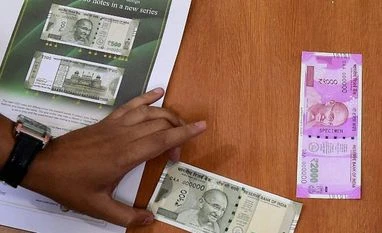
RBI displays the newly issued rupees 500 and 2000 notes at Reserve Bank of India headquarters in Mumbai
Abhijit Lele Mumbai
2 min read Last Updated : Oct 07 2019 | 12:10 PM IST
Scrapping of Rs 500 and Rs 1,000 notes as legal tender is expected to increase the flow of money into low-cost deposits of banks and nudge the lenders to reduce lending rates over one-two quarters.

CARE Ratings said in a report depositing the notes that have ceased to be legal tender would automatically lead to more being deposited in savings and current account of commercial banks. Such an increase would enhance the liquidity position of banks, helping in more lending. However, as some households would have held on to funds for emergency purposes, there would be some withdrawals at a second stage, it said.

Rana Kapoor, managing director, and chief executive YES Bank, said unaccounted cash in the economy was estimated to be Rs 4.5 lakh crore. Of this, a significant proportion would make its way into the banks, boosting deposit base and financial savings.

Banks’ deposit base would receive a fillip of 0.5-1.4% of gross domestic product (GDP). In turn, financing savings can be expected to rise by close to this proportion, due to a switch from savings in unproductive physical assets to financial assets, YES Bank chief said.

Karthik Srinivasan, senior vice-president, ICRA Limited, said: “Deposit mobilisation is expected to rise considerably, as existing notes are deposited in banks, helping to counter balance the outflows related to the unwinding of the FCNR(B) swaps.”

As a result, deposit growth could rise significantly in the next two months, from the low double-digit level now. This would also aid in the transmission of past repo rate cuts and a reduction in the marginal cost-based lending rates. Nevertheless, this would not translate into a major pickup in bank credit growth, given the sharp and immediate correction in bond yields that has already taken place.

Higher deposit mobilisation in the ongoing quarter would improve systemic liquidity, reducing the need for open market bond purchases during Q3 FY2017 to bring liquidity closer to neutral. However, such liquidity would not be durable and, therefore, we continue to expect open market bond purchases during Q4 FY2017, it added.

One subscription. Two world-class reads.

Already subscribed? Log in

Subscribe to read the full story →
*Subscribe to Business Standard digital and get complimentary access to The New York Times

Smart Quarterly

₹900

3 Months

₹300/Month

SAVE 25%

Smart Essential

₹2,700

1 Year

₹225/Month

SAVE 46%
*Complimentary New York Times access for the 2nd year will be given after 12 months

Super Saver

₹3,900

2 Years

₹162/Month

Subscribe

Renews automatically, cancel anytime

Here’s what’s included in our digital subscription plans

Exclusive premium stories online

  • Over 30 premium stories daily, handpicked by our editors

Complimentary Access to The New York Times

  • News, Games, Cooking, Audio, Wirecutter & The Athletic

Business Standard Epaper

  • Digital replica of our daily newspaper — with options to read, save, and share

Curated Newsletters

  • Insights on markets, finance, politics, tech, and more delivered to your inbox

Market Analysis & Investment Insights

  • In-depth market analysis & insights with access to The Smart Investor

Archives

  • Repository of articles and publications dating back to 1997

Ad-free Reading

  • Uninterrupted reading experience with no advertisements

Seamless Access Across All Devices

  • Access Business Standard across devices — mobile, tablet, or PC, via web or app

Topics :Demonetisation

Next Story



