Draft law for states' compensation to be ready by November 15

Growth rate of 14% would be taken for calculating the likely revenue of each state in first 5 years
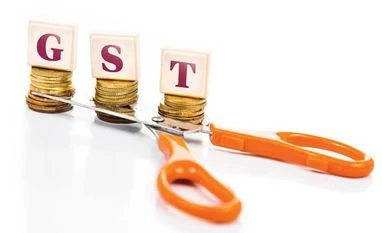
Draft law for states’ compensation to be ready by November 15
Dilasha SethArup Roychoudhury New Delhi
Last Updated : Jan 10 2017 | 5:30 PM IST
The Centre is set to draft the goods and services tax (GST) compensation law by November 15 for discussion in the next meeting of the GST Council, slated for November 24-25. States had demanded such a law to fully compensate them for a period of five years for the likely revenue loss they might incur. The law is likely to be approved in the next Council meeting. 

“The Compensation Bill will include a range of clauses clearly defining each term, leaving no scope for ambiguity. That a separate account will be created for income for cess solely for compensating states will also be a part of the law,” said an official. 

The GST Council is chaired by Finance Minister Arun Jaitley with state finance ministers or their representatives as members. 

The base year for calculating the revenue of a state has been decided to be 2015-16. Besides, a secular growth rate of 14 per cent would be taken for calculating the likely revenue of each state in the first five years of implementation of GST. States getting lower revenue than this would be compensated by the Centre.

A cess on demerit goods at 28 per cent GST rate will also be a part of the proposed Compensation Act. The additional cess will be imposed on luxury cars, pan masala, tobacco and aerated drinks. According to the finalised proposal, the incidence of tax on these items will remain at the current levels even under GST. The Centre is expecting Rs 50,000 crore revenue from cess, including Rs 26,000 crore by way of clean environment cess to compensate states. 

Besides, the National Calamity Contingent Duty (NCCD) currently imposed on central excise will continue under GST. The government collected Rs 4,500 crore by way of NCCD in 2015-16. It eyes Rs 4,900 crore in the current financial year. 

A senior official said the compensation law would include what compensation should be given for what types of taxes – purchase tax, local tax etc. “Besides, it will define ‘revenue to be subsumed’ and ‘revenue to be counted for compensation’,” he added.  

One subscription. Two world-class reads.

Already subscribed? Log in

Subscribe to read the full story →
*Subscribe to Business Standard digital and get complimentary access to The New York Times

Smart Quarterly

₹900

3 Months

₹300/Month

SAVE 25%

Smart Essential

₹2,700

1 Year

₹225/Month

SAVE 46%
*Complimentary New York Times access for the 2nd year will be given after 12 months

Super Saver

₹3,900

2 Years

₹162/Month

Subscribe

Renews automatically, cancel anytime

Here’s what’s included in our digital subscription plans

Exclusive premium stories online

  • Over 30 premium stories daily, handpicked by our editors

Complimentary Access to The New York Times

  • News, Games, Cooking, Audio, Wirecutter & The Athletic

Business Standard Epaper

  • Digital replica of our daily newspaper — with options to read, save, and share

Curated Newsletters

  • Insights on markets, finance, politics, tech, and more delivered to your inbox

Market Analysis & Investment Insights

  • In-depth market analysis & insights with access to The Smart Investor

Archives

  • Repository of articles and publications dating back to 1997

Ad-free Reading

  • Uninterrupted reading experience with no advertisements

Seamless Access Across All Devices

  • Access Business Standard across devices — mobile, tablet, or PC, via web or app

Next Story



