FM rules out hasty decision on petrol, diesel price rise
Brent crude oil prices have risen to $116 a barrel from $103 a barrel on July 1
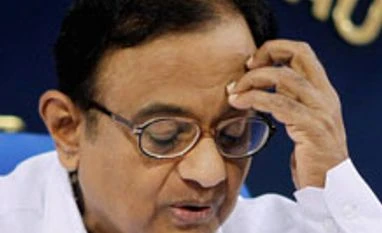
BS Reporter New Delhi Finance Minister P Chidambaram on Saturday ruled out raising petrol and diesel prices in a haste. “No decision has been taken. No decision would be taken hastily and certainly, no decision will be taken without weighing the pros and cons of the larger public interest,” he said
“What does the government gain by taking a hasty decision that puts extra burden on the poor? And, we are not fools on this side. Some decisions have been taken, but these are painful decisions that have to be taken keeping the larger interest in mind,” he said.
Brent crude oil prices have risen to $116 a barrel from $103 a barrel on July 1.
Earlier this month, petrol prices were raised by a steep Rs 2.35 a litre, while diesel prices were increased by 50 paise a litre, excluding local taxes. The increase in petrol prices was the sixth in the last three months; for diesel, it was the eighth since January.
Amid controversy over the finance minister blaming his predecessor Pranab Mukherjee for fiscal expansion in a statement in Parliament, Chidambaram, winding up a discussion on the first batch of the supplementary demand of grants for 2013-14 in the Rajya Sabha, he clarified the decisions taken during 2008-09 were necessary in the context of the situation prevailing then. Clarifying he blamed none, the finance minister said, “We allowed the current account deficit to swell and fiscal deficit to be breached. We includes all of us in the government and, in a sense, all of us in Parliament.”
“Stimulus measures were announced for growth to be maintained. India adopted stimulus packages, and these did help us to anchor growth. Europe did not adopt, and it is now in recession…We consciously adopted stimulus packages and anchored our growth. But that resulted in some deficits and it also caused inflation,” he said.
Chidambaram said the high Consumer Price Index (CPI)-based inflation was one of the reasons behind the stressed economy.
“If you increase farm wages, which is a good thing, it would have an inflationary impact. If you increase farm prices, which I strongly believe is a good thing, it will have an impact on prices.”
However, he reminded parliamentarians Wholesale Price Index-based inflation was low. It stood at 5.79 per cent in July, while its retail counterpart stood at 9.64 per cent.
Chidambaram said high CPI-based inflation was due to food prices, adding now, the focus could be laid on increasing supply. “We have increased production of fruits and vegetables, yet our distribution system is so very antiquated. There are too many inter-state and intra-state agencies.”
Meanwhile, Food Minister K V Thomas assured the House onion prices would come fall. “The prices of onions will come down in 15-20 days. New produce would come into the markets from Karnataka and Andhra Pradesh,” he said.

 "FM rules out hasty decision on petrol, diesel price rise")


