Gas price hike negative for power, fertiliser sectors: ICRA
The govt recently hiked rates for natural gas after CCEA approval of the Rangarajan gas pricing formula
Sanjay Jog Mumbai The CCEA approval of the Rangarajan gas pricing formula is positive for the upstream sector’s earnings and sentiments but negative for all categories of consumers, said a report from ICRA.
ICRA, in its report, expects meaningful addition to gas production to be some years away due to the long and complex approvals processes endemic in the upstream sector. However the impact on the bottom lines of the producers would be immediate once the gas price comes into effect from April 1, 2014 which however would be tempered for the PSU players if the GoI decides to increase the subsidy burden.
For the power sector, while the cost of generation will go up, profitability may not be impacted for the generators who have signed “normative cost plus return PPA” with discoms in case of gas availability at normative levels. Further the operations for certain companies, who operate on either merchant mode or on fixed tariff under short term PPAs, will be adversely affected. Also, merit order position of gas based power generators will be weakened especially against coal based power. As regards discoms, those with functioning FPPCA adjustments will be able to pass on the hike to consumers. However, cost base for other category of discoms will go up and result in modest pressure on profits.
For the fertilizer sector, while gas price remains a pass-through for urea under the current subsidy regime, the additional cost would increase the subsidy payable to that extent and correspondingly, the working capital requirements of the urea players in case of delays in payment of subsidy as observed in the recent past. Additionally the profitability of some of the players manufacturing non-urea fertilizers from gas will be impacted unless the GoI increases the subsidies on these fertilizers to compensate for higher production costs. Cost structure of companies producing chemicals in integrated fertiliser complexes, will deteriorate and will result in sharp fall in profits from these products. Overall, the additional subsidy burden would upset the aggressive fiscal deficit reduction targets of GoI.
With regard to the CGD sector the impact is expected to be relatively muted given that the industrial and commercial segments of the sector are already catered to by RLNG and only the consumers of APM gas viz. the domestic and CNG segments would be impacted. While the PNG domestic segment would be rendered unviable due to unfavourable economics with the highly subsidized competing fuel- LPG, the CNG segment would remain viable due to economics remaining favourable vis-à-vis auto fuels- petrol and diesel with the latter getting gradually deregulated. The experience of CGD players, most notably in Gujarat who have been operating largely on R-LNG, reinforces this view, although margins of CGD companies could show some correction.
The domestic gas price deregulation process should help the cause of R-LNG marketers as the market would get used to high cost gas. Besides, additional domestic gas production should enable pooling of high cost R-LNG with domestic gas, to make the blended cost competitive for the sensitive sectors.
According to K Ravichandran, Senior Vice-President and Co-Head, Corporate Ratings, ICRA, “While the Government of India (GoI) has clarified that pricing formula has been fixed for the producers of gas, consumer prices could be lower for certain category of consumers, possibly power & fertiliser sectors, through additional support/subsidy, the timeliness and quantum of such support remains uncertain at this juncture.
”While the CCEA has gone ahead with approval of the new gas pricing regime, its implementation will be mostly left to the new government formed post general elections scheduled in early 2014 given the huge impact on the fertilizer and power sectors and the politically sensitive nature of the issue. Additionally the GoI is also considering lowering the input cost for the sensitive sectors - Fertilizer and Power; hence the implementation of the new gas pricing formula remains subjected to regulatory risk.

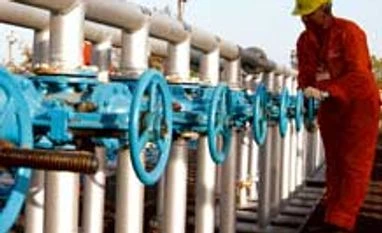 "Gas price hike negative for power, fertiliser sectors: ICRA")

