Eco survey calls for raising retirement age, merging schools as India ages

The conclusions in the study, "India's Demography at 2040: Planning Public Good Provision for the 21st Century," will have major implications for many companies
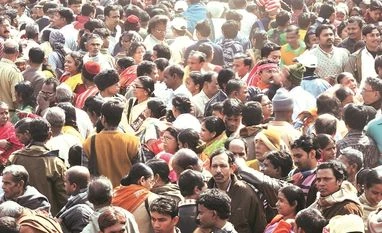
population, India
.
Martin Howell | Reuters New Delhi
2 min read Last Updated : Jul 04 2019 | 5:24 PM IST
The Indian government on Thursday warned in a study that its population is going to start to age and it needs to be prepared to merge schools and raise the retirement age.

While India should be set to benefit from the so-called “demographic dividend” over the next decade as its working population is set to increase by about 9.7 million a year between 2021-31, that will quickly fade as the nation’s fertility rate plunges below replacement level.

The conclusions in the study, “India’s Demography at 2040: Planning Public Good Provision for the 21st Century,” will have major implications for many companies, particularly those that have been eyeing consumer demand from India’s young population.

It said the number of children in the 5-14 age bracket will decline significantly, leading to the need for school mergers and less focus on building new ones.

Already states such as Himachal Pradesh, Uttarakhand, Andhra Pradesh and Madhya Pradesh have fewer than 50 students enrolled in more than 40 percent of their elementary schools, according to the study, which was included in the government’s annual Economic Survey.


It also said that policymakers need to prepare for an increasing number of elderly people, estimating there will be 239.4 million Indians over the age of 60 in 2041 against 104.2 million in 2011.

“This will need investments in health care as well as a plan for increasing the retirement age in a phased manner,” concluded the study, which was authored by India’s Chief Economic Adviser Krishnamurthy Subramanian and his team of economists.

The current retirement age for most government workers in India is 60.

Meanwhile, the number of Indians aged between 0-19 has already started to decline and the proportion of the population in that age group is projected to fall to 25 percent by 2041 from 41 percent in 2011.

The demographic dividend that is talked about in India refers to the current situation where the nation’s labor force is growing quicker than the rest of the population it supports.

If the newcomers to the labour market get well-paid jobs it boosts consumption and economic growth. 


One subscription. Two world-class reads.

Already subscribed? Log in

Subscribe to read the full story →
*Subscribe to Business Standard digital and get complimentary access to The New York Times

Smart Quarterly

₹900

3 Months

₹300/Month

SAVE 25%

Smart Essential

₹2,700

1 Year

₹225/Month

SAVE 46%
*Complimentary New York Times access for the 2nd year will be given after 12 months

Super Saver

₹3,900

2 Years

₹162/Month

Subscribe

Renews automatically, cancel anytime

Here’s what’s included in our digital subscription plans

Exclusive premium stories online

  • Over 30 premium stories daily, handpicked by our editors

Complimentary Access to The New York Times

  • News, Games, Cooking, Audio, Wirecutter & The Athletic

Business Standard Epaper

  • Digital replica of our daily newspaper — with options to read, save, and share

Curated Newsletters

  • Insights on markets, finance, politics, tech, and more delivered to your inbox

Market Analysis & Investment Insights

  • In-depth market analysis & insights with access to The Smart Investor

Archives

  • Repository of articles and publications dating back to 1997

Ad-free Reading

  • Uninterrupted reading experience with no advertisements

Seamless Access Across All Devices

  • Access Business Standard across devices — mobile, tablet, or PC, via web or app

Topics :Economic Surveyretirement agedemographic dividend

Next Story



