3 min read Last Updated : Jun 21 2019 | 2:15 AM IST
For the first time, the GST council may face voting by states and the Centre over the issue of uniform rates on lotteries.
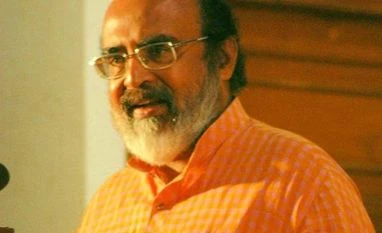
Kerala Finance Minister (FM) Thomas Isaac, pitching for continuation of dual rates on lottery, said he will press for voting if the issue is not postponed. This will be the first meeting under the chairmanship of new Union FM Nirmala Sitharaman. Before the meeting, state FMs will hold a pre-Budget meeting with Sitharaman. Isaac said he will talk to non-BJP state FMs to get them on board.
There is intense pressure from the northeastern states, led by Assam Finance Minister Himanta Biswa Sarma, to impose a uniform rate of 18 per cent on state and private-run lotteries, said officials. This will mean lowering the rate on private lotteries from 28 per cent, and increasing of tax incidence for state-run lotteries from 12 per cent.
“There is a massive pressure from private lottery lobbies to reduce the tax rate from 28 per cent to 18 per cent. However, if the Council decides to force the decision on a uniform tax rate on us, we will press for voting. This will be the first decision in the Council that will not be based on a consensus,” Thomas Isaac told Business Standard ahead of the meeting.
They should ideally postpone the matter if they want to avoid voting on the subject, he added.
The Centre has one-third vote and all states combined have two-third votes in the Council. Any decision requires three-fourth of voting in its favour to get passed.
Earlier this week, the Kerala Assembly passed a resolution against the Centre’s proposal of imposing a uniform tax rate on state- and private-run lotteries to curb revenue leakages due to the present dual rate structure. The Centre is of view that the differential was being misused by the trade and majority of them were paying tax at 12 per cent. Increasing the rate on state run lotteries to 28 per cent would lead to revenue gain of approximately Rs 1,250 crore, according to government estimates. Kerala is one of the few states that has state-run lottery to garner additional revenue.
The Council will take up the report by the group of ministers led by Maharashtra Finance Minister Sudhir Mungantiwar, which has favoured a uniform GST rate of either 18 per cent or 28 per cent on state sponsored and state-authorised private lotteries.
Kerala is not in favour of either increasing rate on state run lottery or lowering rate on private lottery.
On the other hand, Assam is strongly pitching for a uniform tax rate of 18 per cent on lotteries. It is of view that North Eastern States were lacking to operate lottery on their own, hence were suffering heavily.

 "GST Council meet: Kerala FM Thomas Isaac may press for voting on lotteries")











