GST on ice cream parlours may lead to litigation, say experts

The Council said ice cream parlours would draw 18% GST
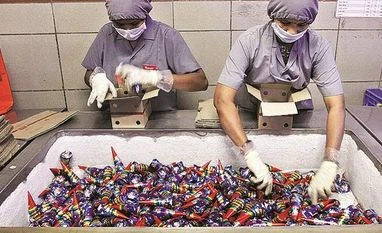
Inside Havmor's ice cream factory in Ahmedabad. Photo: Reuters
Photo: Reuters
Indivjal Dhasmana New Delhi
2 min read Last Updated : Sep 21 2021 | 6:02 AM IST
Certain clarifications by the GST Council, such as tax rates on ice cream parlours and royalty paid to state governments over mineral rights, may turn out to be contentious and lead to litigation, feel some experts.

The council, at its meeting in Lucknow on Friday, had clarified that ice cream parlours will attract goods and services tax (GST). The clarification said these parlours sell already manufactured ice cream and such supply would draw 18 per cent tax.

Abhishek Rastogi, partner at Khaitan & Co., who is arguing 200 petitions for different sectors, including food and beverages, said ice cream parlours are akin to restaurants. This is because both provide certain value-added services with respect to eatables, and hence, taxing them at a higher rate leads to lack of intelligible differentia.  

“This raises the question of constitutional validity on different grounds,” he said.

However, M S Mani, partner at Deloitte India, has a different view. He said ice cream parlours, unlike restaurants, sell manufactured items. Besides, ice cream is not an essential item, and hence, could attract 18 per cent GST, he said. Restaurants without air conditioners, central heating and liquor licence earlier attracted GST at the rate of 12 per cent and those with these facilities drew 18 per cent tax. However, the council, at its meeting in November 2017, decided to reduce it to five per cent and also take away input tax credit. 

The council, at its Lucknow meeting, also clarified that royalty given to state governments for rights of mineral exploration will attract 18 per cent GST with effect from July 1, 2017.

Rastogi said clarification with respect to taxability of mining rights will be subject to judicial scrutiny and test of constitutionality as the amount paid by the mining companies to the government are statutory payments.

“The moot point remains whether there could be tax on such statutory payments,” he said. 

Mani said it is loosely called royalty, but it is the services by way of grant of mineral exploration and mining rights that attract a GST rate of 18 per cent. Besides, it could be set off against tax liability on output, he said.  

One subscription. Two world-class reads.

Already subscribed? Log in

Subscribe to read the full story →
*Subscribe to Business Standard digital and get complimentary access to The New York Times

Smart Quarterly

₹900

3 Months

₹300/Month

SAVE 25%

Smart Essential

₹2,700

1 Year

₹225/Month

SAVE 46%
*Complimentary New York Times access for the 2nd year will be given after 12 months

Super Saver

₹3,900

2 Years

₹162/Month

Subscribe

Renews automatically, cancel anytime

Here’s what’s included in our digital subscription plans

Exclusive premium stories online

  • Over 30 premium stories daily, handpicked by our editors

Complimentary Access to The New York Times

  • News, Games, Cooking, Audio, Wirecutter & The Athletic

Business Standard Epaper

  • Digital replica of our daily newspaper — with options to read, save, and share

Curated Newsletters

  • Insights on markets, finance, politics, tech, and more delivered to your inbox

Market Analysis & Investment Insights

  • In-depth market analysis & insights with access to The Smart Investor

Archives

  • Repository of articles and publications dating back to 1997

Ad-free Reading

  • Uninterrupted reading experience with no advertisements

Seamless Access Across All Devices

  • Access Business Standard across devices — mobile, tablet, or PC, via web or app

Topics :Goods and Services TaxGST CouncilGSTGST ratesIce cream industry

Next Story



