High indirect taxes are hurting exports, Make in India initiative: Experts

Exports of goods and services accounted for just 6.9 per cent of India's GDP in 1990-91 and they grew by record high of 25.4 per cent in FY14
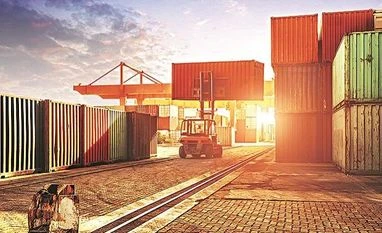
exports, imports, cargo
Krishna Kant Mumbai
4 min read Last Updated : Jul 11 2019 | 10:30 PM IST
Higher tariffs and taxes seem to be hurting India’s drive to raise the share of exports in gross domestic product (GDP) and push up economic growth. 

The recent poor performance of exports has been accompanied by a rise in the incidence of indirect taxes, which are now equivalent to 9.5 per cent of GDP net of subsidies. 

The ratio (of indirect taxes to GDP) is up 180 basis points in the last five years. In the same period, the exports to GDP ratio is down 570 basis points from 25.4 per cent of GDP in FY14 to 19.7 per cent in the last fiscal year, according to the data from the Reserve Bank of India. (See the adjoining chart). 

In the last five years, indirect taxes (net of subsidies) have increased at a compound annual growth rate (CAGR) of 15.8 per cent against the 11.1 per cent CAGR in GDP at current prices and 5.6 per cent annualised growth in exports (in rupee terms).

Indirect taxes in India are now among the highest in the developing parts of Asia. This makes India an outlier in the continent. For example, the indirect tax to GDP ratio is 5.8 per in Bangladesh, 5.6 per cent in Vietnam, 5.8 per cent in China, and 4.7 per cent in Indonesia, according to the World Bank Data.

Historically there is an adverse relationship between the level of indirect taxes (customs & excise) in the economy and the contribution of exports to India's GDP. 

The export boom in India after 1991 coincided with a steady reduction in customs and excise duties, resulting in a steady decline in the share of GDP mopped up by the government through indirect taxes. 

Exports of goods and services accounted for just 6.9 per cent of India's GDP in 1990-91 and they grew by record high of 25.4 per cent in FY14. 

The boom in exports coincided with a cut in indirect taxes though the impact was felt with a lag of a few years. Indirect taxes declined from a record high of 9.8 per cent of GDP in FY88 to a low of 6.1 per cent of GDP in FY10. Economists say indirect taxes hurt manufacturers on account of higher operating costs. 

“A rise in tariff and excise duties (now goods and service taxes) push up input prices, making manufacturers uncompetitive compared to their peers in other parts of the world,” says Devendra Pant, chief economist, India Ratings.

There has been a steady rise in customs duty and excise duty (now GST) in recent years, raising the prices of key inputs such as metals, synthetic fibres, and fuel and energy in the domestic market. 

For example, aluminum is trading at around Rs 141,000 per tonne in Mumbai against Rs 128,000 per tonne at the London Metal Exchange. Similarly, steel costs around Rs 43,0000 per tonne in Mumbai against Rs 39,550 per tonne in Shanghai. China. It’s the same in case of synthetic fibres such as polyester and viscose staple fibres.

“Synthetic fibres are up to 10 per cent expensive in India compared to other Asian countries. This makes us uncompetitive compared to countries such as Bangladesh and Vietnam,” said Prabhu Damodaran, secretary, Indian Texpreneurs Federation.

This has pushed out Indian exporters from the fast-growing market for garments made of synthetic fibres or blended fabric. "We are mostly making cotton garments but the most of the incremental growth in demand is coming from the synthetic and blended fibres segment," Prabhu added. 

Economists also highlight the issue of the role of higher fuel and energy prices in pushing up manufacturing cost. 

“Fuel and energy prices in India are among the highest in the world, thanks largely to high tariffs and taxes. This affects the prices of almost every manufactured good including synthetic fibres,” said Madan Sabnavis, head economist, CARE Ratings. Experts say indirect taxes are regressive in nature and hurt the poor more than high-income earners. 

One subscription. Two world-class reads.

Already subscribed? Log in

Subscribe to read the full story →
*Subscribe to Business Standard digital and get complimentary access to The New York Times

Smart Quarterly

₹900

3 Months

₹300/Month

SAVE 25%

Smart Essential

₹2,700

1 Year

₹225/Month

SAVE 46%
*Complimentary New York Times access for the 2nd year will be given after 12 months

Super Saver

₹3,900

2 Years

₹162/Month

Subscribe

Renews automatically, cancel anytime

Here’s what’s included in our digital subscription plans

Exclusive premium stories online

  • Over 30 premium stories daily, handpicked by our editors

Complimentary Access to The New York Times

  • News, Games, Cooking, Audio, Wirecutter & The Athletic

Business Standard Epaper

  • Digital replica of our daily newspaper — with options to read, save, and share

Curated Newsletters

  • Insights on markets, finance, politics, tech, and more delivered to your inbox

Market Analysis & Investment Insights

  • In-depth market analysis & insights with access to The Smart Investor

Archives

  • Repository of articles and publications dating back to 1997

Ad-free Reading

  • Uninterrupted reading experience with no advertisements

Seamless Access Across All Devices

  • Access Business Standard across devices — mobile, tablet, or PC, via web or app

Topics :Make in IndiaExportindirect tax

Next Story


