Higher oil prices a risk to India's growth trajectory: Dharmendra Pradhan
Benchmark Brent oil has rallied to USD 54.56 a barrel, the biggest weekly gain since 2009
Press Trust of India New Delhi With oil cartel OPEC cutting production for the first time since 2008 leading to a surge in oil prices, India today said higher rates will risk the country's growth trajectory and pitched for striking a balance between interests of producers and consumers.
Benchmark Brent oil has rallied to USD 54.56 a barrel, the biggest weekly gain since 2009, after OPEC approved its first supply cut in eight years.
"Last week the OPEC countries pledged to reduce their production by 1.2 million barrels a day. Non-OPEC countries also agreed to a production cut to the tune of 0.6 million barrel per day. The proposed cut caused a surge in oil prices to above USD 50 a barrel and speculation is rife that it might go up even further," Oil Minister Dharmendra Pradhan said at the Petrotech 2016 conference here.
India has used the slump in oil prices since 2014-15 to not just cut petrol and diesel rates to cool inflation but also as an opportunity to shore up revenues by raising duties.
The country's basket of crude oil imports had averaged USD 105.52 per barrel in 2013-14 which dipped to USD 84.16 in the following year, and to USD 46.17 a barrel in 2015-16. This fiscal, it has averaged USD 44.81 per barrel so far.
"I want to submit before this august gathering that for the sustainability of the oil markets, we must strike a balance of interest between producers and consumers," he said.
Recalling his statement before the OPEC forum in June last year, he said consumption of petroleum products is price sensitive as there is a genuine issue of affordability for a sizable population in India and other developing countries. "Hence, while deciding the pricing aspect of crude oil, it should be factored in that the security of supply must, in turn, be matched by security of demand."
In today's world, disruption has become a part of life, he said.
India, he said, is already the third largest energy consumer in the world behind the US and China. "At 4.3 million barrels per day, although we have less than 5 per cent share in the world consumption, our annual consumption growth is far more significant. At 300,000 barrels per day growth, our contribution was about 30 per cent of global growth in demand last year."
He added: "We understand that energy is the most important catalyst for achieving sustained growth. In the modern world, access to energy should be a fundamental right of each human being. This is particularly true for India with a rapidly growing economy and huge aspirational population."
The Modi government is committed to provide reliable and affordable energy, in a time bound manner, to a large proportion of India's population which still does not have access to energy, Pradhan said.
"I have no hesitation to confess that the fall in oil prices in last two years came as a timely relief for Indian economy and consumers. This has helped us to increase penetration of cleaner fuel replacing polluting biomass among the poorer segments of society," he said.

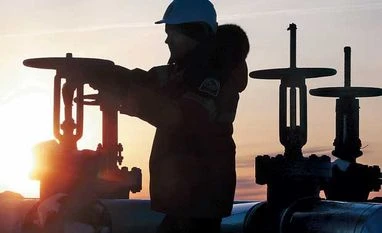 "Higher oil prices a risk to India's growth trajectory: Dharmendra Pradhan")


 Connect with us on WhatsApp