
How did demonetisation help curb black money, lawmakers ask Home ministry
Rajiv Gauba, who takes over as home secy in August, told to submit govt's responses in two weeks
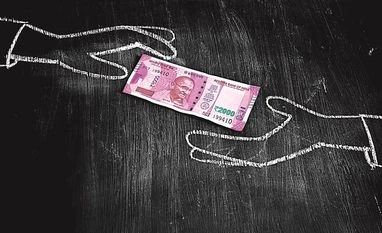 "How did demonetisation help curb black money, lawmakers ask Home ministry")
premium
WebinarsNew
Deep DiveNew
Explore Business Standard
Rajiv Gauba, who takes over as home secy in August, told to submit govt's responses in two weeks
Rajiv Gauba, who will take over as home secretary in August, has been asked to submit the government's responses in writing in two weeks.
According to sources, members of the parliamentary standing committee on finance wanted to know the impact of demonetisation on curbing black money from the home ministry officials, who briefed the lawmakers on the steps being taken to secure the digital economy.
The issue came up as the government had defended the controversial demonetisation decision by saying it was needed to curb black money, which also helped fund terror attacks planned across the border.
Gauba, who briefed the lawmakers, said that firewalls, software systems meant to prevent digital economy, are still evolving though several institutions have been set up by the government to protect financial sector and banking data from malafide cyber attacks.
The issue of legality of crypto-currency and bitcoins was also raised by some opposition members as Gulshan Rai of the Cert-IN briefed the standing committee on various technical issues related to cyber security. Officials said Rs 1,000 crore are being spent to strengthen cyber security in the country.
Some members also referred to a recent newspaper advertisement issued by a Gujarat-based company.
They said though the size of the digital transactions was low at Rs 2 billion as compared to Rs 54 billion worldwide, it is expected to double up to Rs 4 billion in a few months.
While the relevance of IPC sections in dealing with cyber-crimes came up for discussion during the hearing, officials said the T K Vishwanathan panel looking into the IT Act will submit its interim report next month.
Some members expressed concern that money just evaporates from the bank account in case of a cyber-theft and there was no way to check it.
NITI Aayog Chief Executive Amitabh Kant, who could not appear before the Parliamentary panel, has been asked to come on July 20. Officials of the Nasscom will also brief the standing committee on safety of digital economy on that day, said the sources.
Already subscribed? Log in
Subscribe to read the full story →

3 Months
₹300/Month
1 Year
₹225/Month
2 Years
₹162/Month
Renews automatically, cancel anytime

Premium stories handpicked daily by our editors


News, Games, Cooking, Audio, Wirecutter & The Athletic
Digital replica of our daily newspaper — with options to read, save, and share


Insights on markets, finance, politics, tech, and more delivered to your inbox
In-depth market analysis & insights with access to The Smart Investor


Repository of articles and publications dating back to 1997
Uninterrupted reading experience with no advertisements


Access Business Standard across devices — mobile, tablet, or PC, via web or app
First Published: Jul 14 2017 | 12:32 AM IST

