How government ventured into the retail liquor business in Chhattisgarh

Initiative prevents state from losing three-fourth of excise revenue
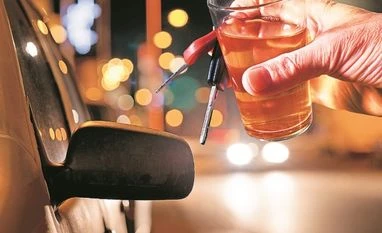
Liquor ban
R Krishna Das Raipur
Last Updated : Apr 20 2017 | 1:48 PM IST
In the first week of January, a liquor cartel gathered in the Chhattisgarh capital for a secret deal with a big plan on the card to dent a big blow to the state’s excise revenue.

The contractors held a meeting in one of the partners’ house and decided not to participate in the bid for 417 shops when put for auction. The shops were to be shifted to new locations following the apex court ruling that banned vending liquor within 500 meters of state and national highways.

The state government had identified the new location for the 417 shops. But the liquor contractors were not interested in running it as they felt it would not be viable as compared to shops along the highways. The plan was to trade illicit liquor in the area instant of officially running the shops.

The minutes of the meeting anyhow leaked to the excise officials. A strategy was planned to counter it. The state government soon started working on it; brought an ordinance and enacted a law to finally venture into the retail liquor business in Chhattisgarh.

“The estimated huge revenue loss was the main reason for taking the decision that from now the government would run the shops,” state’s excise minister Amar Agrawal told Business Standard. While the state’s excise revenue had been pegged at Rs 3,300 crore (in last fiscal), the 417 shops contributed Rs 2,200 crore.

The sale of illicit liquor in the jurisdiction of 417 shops would have reduced the state’s excise revenue to just Rs 1,200-1,300 crore. The state government acted promptly and took over the shops that it had been running from April 1. According to officials, the excise revenue was likely to cross Rs 4,000 crore in 2017-18 as the sale of illicit and spurious liquor would now be restricted.

The government is facing teething problem in running the Rs 10,000 crore business. Limited brands were only available in the shops, which are also running out of stock by evening. “Within a short time, things would be put in order,” Agrawal said.

One subscription. Two world-class reads.

Already subscribed? Log in

Subscribe to read the full story →
*Subscribe to Business Standard digital and get complimentary access to The New York Times

Smart Quarterly

₹900

3 Months

₹300/Month

SAVE 25%

Smart Essential

₹2,700

1 Year

₹225/Month

SAVE 46%
*Complimentary New York Times access for the 2nd year will be given after 12 months

Super Saver

₹3,900

2 Years

₹162/Month

Subscribe

Renews automatically, cancel anytime

Here’s what’s included in our digital subscription plans

Exclusive premium stories online

  • Over 30 premium stories daily, handpicked by our editors

Complimentary Access to The New York Times

  • News, Games, Cooking, Audio, Wirecutter & The Athletic

Business Standard Epaper

  • Digital replica of our daily newspaper — with options to read, save, and share

Curated Newsletters

  • Insights on markets, finance, politics, tech, and more delivered to your inbox

Market Analysis & Investment Insights

  • In-depth market analysis & insights with access to The Smart Investor

Archives

  • Repository of articles and publications dating back to 1997

Ad-free Reading

  • Uninterrupted reading experience with no advertisements

Seamless Access Across All Devices

  • Access Business Standard across devices — mobile, tablet, or PC, via web or app

Next Story



