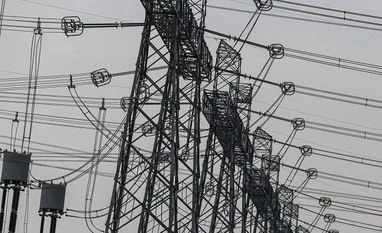
India approves $3.9 bn hydropower project near China border in northeast

Dibang, which will be built over more than 5,000 hectares (12,360 acres) of forest land, faces similar risks, according to Himanshu Thakkar, coordinator for nonprofit South Asia Network on Dams, River

Hydropower project, electricity, power project
Photo: Bloomberg
Rajesh Kumar Singh | Bloomberg
2 min read Last Updated : Feb 28 2023 | 2:13 PM IST
India approved its largest ever hydropower project in the mountainous northeastern region bordering China as the country seeks to build renewable generation to meet rising power demand. 
 
The government approved the estimated investment of 319 billion rupees ($3.9 billion) for the 2,880-megawatt Dibang project in Arunachal Pradesh, state-run hydropower producer NHPC Ltd. said Monday. The project is estimated to take nine years to build. 

India has classified hydropower as renewable energy and sees it as key in its transition away from coal to help manage the fluctuations caused by intermittent solar and wind supplies. However, the large-scale environmental damage and dislocation of communities to construct dams has hampered those plans, with local protests delaying projects and adding to construction costs.

Dibang, which will be built over more than 5,000 hectares (12,360 acres) of forest land, faces similar risks, according to Himanshu Thakkar, coordinator for nonprofit South Asia Network on Dams, Rivers and People. The company’s nine-year timeline is optimistic when accounting for potential delays because of local protests and geological difficulties, he said.

“The cost is going to be much higher and benefits much lower,” Thakkar said. “There’s really no viability for such projects.” 

The approved investment includes 67.2 billion rupees of government support for flood moderation and enabling infrastructure, such as roads and bridges connecting the construction site.

NHPC didn’t respond to an email seeking comments.

Several other projects in the Himalayan region are running years behind their original schedule, with some blamed for loosening the earth and forcing local evacuations.

“The Himalayan region is such a disaster-prone area and every such project is going to act as a force-multiplier for potential disasters,” Thakkar said.

One subscription. Two world-class reads.

Already subscribed? Log in

Subscribe to read the full story →
*Subscribe to Business Standard digital and get complimentary access to The New York Times

Smart Quarterly

₹900

3 Months

₹300/Month

SAVE 25%

Smart Essential

₹2,700

1 Year

₹225/Month

SAVE 46%
*Complimentary New York Times access for the 2nd year will be given after 12 months

Super Saver

₹3,900

2 Years

₹162/Month

Subscribe

Renews automatically, cancel anytime

Here’s what’s included in our digital subscription plans

Exclusive premium stories online

  • Over 30 premium stories daily, handpicked by our editors

Complimentary Access to The New York Times

  • News, Games, Cooking, Audio, Wirecutter & The Athletic

Business Standard Epaper

  • Digital replica of our daily newspaper — with options to read, save, and share

Curated Newsletters

  • Insights on markets, finance, politics, tech, and more delivered to your inbox

Market Analysis & Investment Insights

  • In-depth market analysis & insights with access to The Smart Investor

Archives

  • Repository of articles and publications dating back to 1997

Ad-free Reading

  • Uninterrupted reading experience with no advertisements

Seamless Access Across All Devices

  • Access Business Standard across devices — mobile, tablet, or PC, via web or app

Topics :hydropower projectsArunachal Pradeshrenewable energyNHPCNortheast India

Next Story