India expected to harvest bumper kharif crop in FY21, may pull down prices

In foodgrains, rice production is estimated to be 102.36 million tonnes, which is 0.37 per cent more than 2019-20
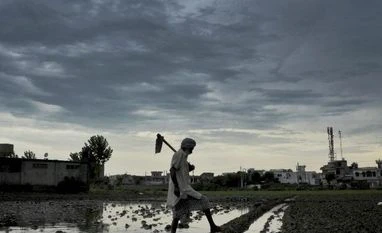
monsoon
Oilseed and pulses production is expected to see a big jump which could pull down their prices sharply.
Sanjeeb Mukherjee New Delhi
2 min read Last Updated : Sep 23 2020 | 12:56 AM IST
India's kharif foodgrains production is expected to be in excess of 144 million tonnes in the 2020-21 crop season that started from July and which could pull down prices in the absence of adequate demand further enraging farmers.

According to the first advanced estimate of farm production released on Tuesday by the Ministry of Agriculture, foodgrains production in 2020-21 is projected to be a record 144.52 million tonnes, which is 0.80 per cent more than the production in 2019-20.

In foodgrains, rice production is estimated to be 102.36 million tonnes, which is 0.37 per cent more than 2019-20.

ALSO READ: Demand will be key to strong recovery in the farm sector going forward

 
The production of pulses is expected to be around 9.31 million tonnes, which is almost 21 per cent more than 2019-20.

The output of oilseed is expected to be 25.72 million tonnes which is 15.28 per cent more than 2019-20.

Oilseed and pulses production is expected to see a big jump which could pull down their prices sharply.

Soybean prices are already trading below their MSP of Rs 3880 per quintal in Madhya Pradesh mandis.

However, in case of pulses, some experts said prices might remain near the MSP.

Meanwhile, THE production of cotton is estimated to be 37.18 million bales (1 bale=170 kilograms) which is almost 5 per cent more than last year, while sugarcane production is estimated to be 399.83 million tonnes, which is 12.41 per cent more than last year.
Market watchers said prices of both cotton will remain below the MSP of Rs 5515 per kilogram for medium staple and Rs 5825 per kilogram for long staple which could necessitate higher procurement by Cotton Corporation of India (CCI). Falling demand from China, due to the coronavirus pandemic could also keep prices muted.

The southwest monsoon this year has been so far 8 per cent above normal, which is among the best in last few years. EoM

One subscription. Two world-class reads.

Already subscribed? Log in

Subscribe to read the full story →
*Subscribe to Business Standard digital and get complimentary access to The New York Times

Smart Quarterly

₹900

3 Months

₹300/Month

SAVE 25%

Smart Essential

₹2,700

1 Year

₹225/Month

SAVE 46%
*Complimentary New York Times access for the 2nd year will be given after 12 months

Super Saver

₹3,900

2 Years

₹162/Month

Subscribe

Renews automatically, cancel anytime

Here’s what’s included in our digital subscription plans

Exclusive premium stories online

  • Over 30 premium stories daily, handpicked by our editors

Complimentary Access to The New York Times

  • News, Games, Cooking, Audio, Wirecutter & The Athletic

Business Standard Epaper

  • Digital replica of our daily newspaper — with options to read, save, and share

Curated Newsletters

  • Insights on markets, finance, politics, tech, and more delivered to your inbox

Market Analysis & Investment Insights

  • In-depth market analysis & insights with access to The Smart Investor

Archives

  • Repository of articles and publications dating back to 1997

Ad-free Reading

  • Uninterrupted reading experience with no advertisements

Seamless Access Across All Devices

  • Access Business Standard across devices — mobile, tablet, or PC, via web or app

Topics :Kharif cropsRice outputFoodgrainsMinistry Of Agriculturepulses outputminimum support pricefood pricesAPMC mandis

Next Story



