India FX reserves surpass Russia's to become world's 4th biggest

Reserves for both countries have mostly flattened out this year
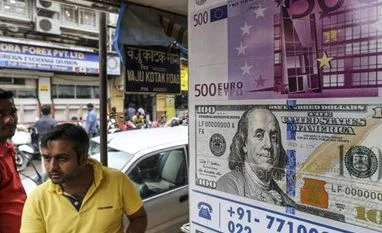
forex
Photo: Bloomberg
Anirban Nag and Subhadip Sircar | Bloomberg
2 min read Last Updated : Mar 14 2021 | 11:23 PM IST
India’s foreign-exchange reserves surpassed Russia’s to become the world’s fourth largest, as the South Asian nation’s central bank continues to hoard dollars to cushion the economy against any sudden outflows.
 
Reserves for both countries have mostly flattened out this year after months of rapid increase. India pulled ahead as Russian holdings declined at a faster rate in recent weeks.

India’s foreign currency holdings fell by $4.3 billion to $580.3 billion as of March 5, the Reserve Bank of India said on Friday, edging out Russia’s $580.1 billion pile. China has the largest reserves, followed by Japan and Switzerland on the International Monetary Fund table.

India’s reserves, enough to cover roughly 18 months of imports, have been bolstered by a rare current-account surplus, rising inflows into the local stock market and foreign direct investment.

Analysts say a strong reserves position gives foreign investors and credit rating companies added comfort that the government can meet its debt obligations despite a deteriorating fiscal outlook and the economy heading for its first full-year contraction in more than four decades.

“India’s various reserves adequacy metrics have improved significantly, particularly in the last few years,” Kaushik Das, chief India economist at Deutsche Bank, said before the latest data were released. “The healthy FX reserves position should give enough comfort to RBI for dealing with any potential external shock-driven capital-stop or outflows in the period ahead.”

The RBI bought a net $88 billion in the spot forex market last year, central bank data show. That helped make the rupee the worst performer among Asia’s major currencies last year and earned India a place on a U.S. Treasury watchlist for currency manipulation.

A recent RBI report recommended further strengthening of foreign-exchange reserves, citing swings in the rupee around the time of the global taper tantrum in 2013. Governor Shaktikanta Das has said that emerging market central banks need to build reserves to prevent any external shocks, irrespective of being put on watch by the U.S.

One subscription. Two world-class reads.

Already subscribed? Log in

Subscribe to read the full story →
*Subscribe to Business Standard digital and get complimentary access to The New York Times

Smart Quarterly

₹900

3 Months

₹300/Month

SAVE 25%

Smart Essential

₹2,700

1 Year

₹225/Month

SAVE 46%
*Complimentary New York Times access for the 2nd year will be given after 12 months

Super Saver

₹3,900

2 Years

₹162/Month

Subscribe

Renews automatically, cancel anytime

Here’s what’s included in our digital subscription plans

Exclusive premium stories online

  • Over 30 premium stories daily, handpicked by our editors

Complimentary Access to The New York Times

  • News, Games, Cooking, Audio, Wirecutter & The Athletic

Business Standard Epaper

  • Digital replica of our daily newspaper — with options to read, save, and share

Curated Newsletters

  • Insights on markets, finance, politics, tech, and more delivered to your inbox

Market Analysis & Investment Insights

  • In-depth market analysis & insights with access to The Smart Investor

Archives

  • Repository of articles and publications dating back to 1997

Ad-free Reading

  • Uninterrupted reading experience with no advertisements

Seamless Access Across All Devices

  • Access Business Standard across devices — mobile, tablet, or PC, via web or app

Topics :Foreign exchange reservesUS DollarRussia

Next Story


