
India is going to be a services-driven economy: Nilekani
Former UIDAI chairman says job creation through manufacturing expected to come down with advent of technology
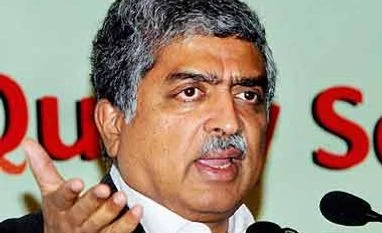 "India is going to be a services-driven economy: Nilekani")
WebinarsNew
Deep DiveNew
Explore Business Standard
Former UIDAI chairman says job creation through manufacturing expected to come down with advent of technology
Services has been marking a higher growth compared to the growth in manufacturing and when China has massive capacities to manufacture and dump the products into India that cannot copy China, and growth in services is what India should fiucs at. Besides, the job creation through manufacturing is also expected to come down with the advent of technology, which replaces human intervention from manufacturing activities.
There is a backlash on globalisation and increasingly countries are pulling out trade barriers, which is resulting in the decline of global trade. Exports in India is also declining, the demand driver in the system will be domestic consumption and not exports, he said.
With digitisation and the increase in the number of smartphones going up, India will go from data poor to data rich very fast, in a matter of five years and this tsunami of data will change the way of businesses. Pradhan Mantri Jan-Dhan Yojana, Aadhar and mobile will together bring in a lot of changes in the way things are operating at present.
There would be about 700 million smartphones in India by 2020 with a large scope for increase in use of internet. Aadhar will be the only user platform outside United States to have more than 1 billion users, which if integrated with the smartphone presence, can bring in a lot of activities including cash transactions and banking activities into digitisation. Digital payment is coming in the country in a big way and the Unified Payment Interface and the Bharat-based payment system will unlock more data streams.
In the new age platforms, new jobs will not be created inside the large companies, but in the ecosystem they create. For instance, the online taxi aggregating system created job opportunities for more drivers and skilling them for better output was need of brands associated with them. People would require to be multi-skilled and the brand association will force better quality skilling for those who are associated with it.
These technologies will bring more people into the formal society and access to formal credit will lead to prosperity. He added that the Goods and Services Tax (GST) will bring in mhinore people wit the chain of tax payers.
First Published: Jul 30 2016 | 10:07 PM IST


 Connect with us on WhatsApp