India’s volatile and below-normal monsoon rainfall may create challenges for inflation and economic growth in rural areas over the medium-term, according to Barclays Plc’s chief India economist.
The nation is facing an 8% monsoon rainfall deficit, which will impact future sowing and harvesting seasons, pressuring consumer prices and squeezing the agriculture sector, Rahul Bajoria said in a Bloomberg Television interview Monday with Juliette Saly and Rishaad Salamat.
“I think it is more of a slightly medium-term impact that kicks in, where the government will have to think about mitigating steps for rural incomes, which tend to depend on farming activity quite a bit,” Bajoria said.
Inflation broke above the Reserve Bank of India’s 2%-6% target range in May and June before slipping back, while the central bank has maintained its lower-for-longer stance to nurse the economy’s recovery from the pandemic. The central bank sees inflation at 5.7% in the financial year to March 2022, viewing the current surge in inflation as temporary.
To mitigate the impact of rainfall shortage, the government may have to scale up relief measures such as rations and cash transfers, according to Bajoria.
“They may also have to think from a geographical stand point, which are the crops getting more impacted and take mitigating steps to try and contain inflation,” Bajoria said. For example, clothing inflation might pick up because of low cotton harvests.
Bajoria also said the RBI is gradually moving toward normalization, which will require “securing growth outlook,” he said.
Read more: India Rate-Setter Tells RBI to Review Easy Money Stance
The RBI has been factoring in elevated inflation in its policy stance, but it’s not enough to trigger normalization.
“The priority will still be to try and see whether the uncertainty around growth forecast have dissipated or not, because inflation has been elevated for the last one and a half years,” he said.

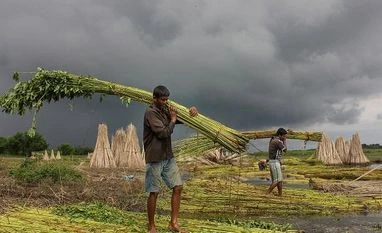 "India's volatile rains may create challenges for inflation, says Barclays")










 Connect with us on WhatsApp