India set to surpass China in need for oil as growth paths diverge

With daily crude consumption triple that of China, traders and producers looking to tap into diminishing global demand growth will be betting on India into the next decade
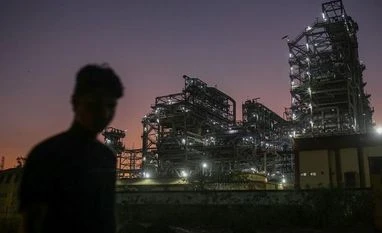
Refinery, Oil refinery
Photo: Bloomberg
Bloomberg
4 min read Last Updated : Mar 24 2023 | 12:20 PM IST
A change is on the horizon for oil demand, with India set to eclipse China as the most important driver of global growth — and potentially the last, as the world shifts to a greener future.
 
A swelling population, which has likely already surpassed that of China, will help to underpin that growth along with consumption trends. India’s transition from traditional gasoline and diesel-fueled transport is expected to lag other regions, whereas China’s adoption of electric vehicles is skyrocketing.

While India is unlikely to replicate the mammoth scale of China’s expansive oil network — the nation’s daily crude consumption is triple that of its neighbor — traders and producers looking to tap into diminishing global demand growth will be betting on the South Asian nation into the next decade.

“India was always going to exceed China in a matter of time in terms of being the global demand growth driver, mainly due to demographic factors like population growth,” said Parsley Ong, the head of Asia energy and chemicals research at JPMorgan Chase & Co. in Hong Kong.

China’s economic awakening at the start of the century transformed the nation into a powerhouse consumer of commodities from crude to metals and grains, providing a boost to resource-rich countries across the world. For oil, the end of the boom times is approaching, with top refiner China National Petroleum Corp. recently calling a peak to Chinese oil consumption around 2030.

The change of demand growth leader appears even closer.

China’s ‘Last Hurrah’
 
Industry veteran Ed Morse, the head of commodities research at Citigroup Inc., says China’s rebound from years of Covid restrictions will likely be the nation’s “last hurrah” for demand. Viktor Katona, the lead crude analyst at data intelligence firm Kpler, reckons India’s growth will surpass China from 2026. He also expects Indian oil demand to peak much later in 2036.

“China’s role as a global oil demand growth engine is fading fast,” said Emma Richards, a senior analyst at Fitch Solutions Ltd. in London. Over the next decade, China’s share of total emerging market oil demand growth will slip to 15%, from almost 50%, while India’s share will double to 24%, she said.

India is already playing a more prominent role in the oil market following the invasion of Ukraine more than a year ago. The South Asian nation has become a major consumer of Russian crude, turning the OPEC+ producer’s oil into fuels that are often shipped to other regions such as Europe and the US. 


It’s not the first time India has been talked about as the new center of oil demand growth, with similar predictions made in the middle of the last decade. Should it materialize this time, the transition to the top spot will likely be far from smooth and bogged down by bureaucracy.

State-run refiners have been slow at modernizing their operations, and still rigidly follow the old and cumbersome process of issuing tenders for spot purchases of oil, rather than taking a more agile and flexible approach of negotiating and signing deals directly with counter-parties.

Still, India’s fast-growing crude appetite will position the South Asian nation as an attractive opportunity for overseas traders and producers over the longer term, said Vandana Hari, the founder of Vanda Insights in Singapore.

EV Boom
 
India has lofty ambitions to transition its industries including transport to greener energy options, but the nation is lagging other major nations, meaning its reliance on fossil fuels is likely to endure for much longer.

In contrast, China’s adoption of electric vehicles has been fast, an ominous sign for long-term gasoline demand in the world’s biggest car market. EV sales in China nearly doubled to 6.1 million units in 2022, compared with 48,000 vehicles for India, according to BloombergNEF. EVs are already displacing over 1.4 million barrels a day of oil use globally, BNEF said.

One subscription. Two world-class reads.

Already subscribed? Log in

Subscribe to read the full story →
*Subscribe to Business Standard digital and get complimentary access to The New York Times

Smart Quarterly

₹900

3 Months

₹300/Month

SAVE 25%

Smart Essential

₹2,700

1 Year

₹225/Month

SAVE 46%
*Complimentary New York Times access for the 2nd year will be given after 12 months

Super Saver

₹3,900

2 Years

₹162/Month

Subscribe

Renews automatically, cancel anytime

Here’s what’s included in our digital subscription plans

Exclusive premium stories online

  • Over 30 premium stories daily, handpicked by our editors

Complimentary Access to The New York Times

  • News, Games, Cooking, Audio, Wirecutter & The Athletic

Business Standard Epaper

  • Digital replica of our daily newspaper — with options to read, save, and share

Curated Newsletters

  • Insights on markets, finance, politics, tech, and more delivered to your inbox

Market Analysis & Investment Insights

  • In-depth market analysis & insights with access to The Smart Investor

Archives

  • Repository of articles and publications dating back to 1997

Ad-free Reading

  • Uninterrupted reading experience with no advertisements

Seamless Access Across All Devices

  • Access Business Standard across devices — mobile, tablet, or PC, via web or app

Topics :IndiaChinaOil importsOil demandeconomy

Next Story



