Mills across India want people to consume more sugar: Here is why

Consumption in India has stagnated at 19 kilograms per capita per year compared with a global average of 23 kilograms
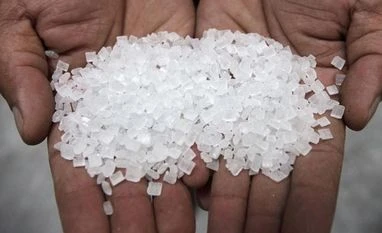
Sugar
(Bloomberg)
Pratik Parija | Bloomberg
2 min read Last Updated : Nov 02 2020 | 9:25 AM IST

Don't want to miss the best from Business Standard?

In a world where sugar has attracted increasing scrutiny for its impact on health and obesity, there are moves afoot in the biggest consuming country to persuade people to eat more of the sweetener.

Mills in India are eyeing increased consumption as a way to cut the nation’s chronic oversupply, which stems partly from the favorable incentives provided to growers in politically powerful rural areas. High production costs mean the country finds it hard to sell sugar on the global market without subsidies.

To push forward their initiative, the mills have begun an online campaign to boost domestic demand, involving workshops and webinars, where everyone from nutritionists and endocrinologists, to public health experts and medical practitioners will share their expertise and knowledge.

“Sugar is the most preferred source of the body’s fuel for brain power, muscle energy and every natural process that goes into proper functioning of our body cells,” the Indian Sugar Mills Association said, adding that the calories in sugar are the same as calories from any other food, and it’s only when calories are not burnt adequately or too many are consumed, that body weight increases.

Social Media

Consumption in India has stagnated at 19 kilograms per capita per year compared with a global average of 23 kilograms as social media campaigns saying the cane-based sweetener is unhealthy discourage people from eating it, according to the association. Per capita consumption growth between 2000 and 2016 was among the lowest in the world, it said.

If per capita consumption rises to the global average, domestic demand will climb by 5.2 million tons a year, according to Sudhanshu Pandey, the top bureaucrat at the food ministry. That would slash the surplus, cut overseas sales and save the government money by reducing export subsidies.

India, also the world’s second-biggest producer, exported a record 5.65 million tons in 2019-20, with the help of these subsidies, which are opposed by Australia, Brazil and Guatemala. Mills are aiming to ship 6 million tons in 2020-21 with production expected to rise 13% after good rains boosted planting.

One subscription. Two world-class reads.

Already subscribed? Log in

Subscribe to read the full story →
*Subscribe to Business Standard digital and get complimentary access to The New York Times

Smart Quarterly

₹900

3 Months

₹300/Month

SAVE 25%

Smart Essential

₹2,700

1 Year

₹225/Month

SAVE 46%
*Complimentary New York Times access for the 2nd year will be given after 12 months

Super Saver

₹3,900

2 Years

₹162/Month

Subscribe

Renews automatically, cancel anytime

Here’s what’s included in our digital subscription plans

Exclusive premium stories online

  • Over 30 premium stories daily, handpicked by our editors

Complimentary Access to The New York Times

  • News, Games, Cooking, Audio, Wirecutter & The Athletic

Business Standard Epaper

  • Digital replica of our daily newspaper — with options to read, save, and share

Curated Newsletters

  • Insights on markets, finance, politics, tech, and more delivered to your inbox

Market Analysis & Investment Insights

  • In-depth market analysis & insights with access to The Smart Investor

Archives

  • Repository of articles and publications dating back to 1997

Ad-free Reading

  • Uninterrupted reading experience with no advertisements

Seamless Access Across All Devices

  • Access Business Standard across devices — mobile, tablet, or PC, via web or app

Topics :Sugar sugar millssugar productionSugar demand

Next Story


