
MSME NPAs increase to 12.6% in March 2021 quarter, says report
An analysis showed a significant surge in credit demand post unlocks after the first and second wave of the pandemic
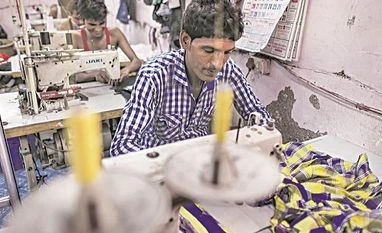 "MSME NPAs increase to 12.6% in March 2021 quarter, says report")
Explore Business Standard

Associate Sponsors
Co-sponsor
An analysis showed a significant surge in credit demand post unlocks after the first and second wave of the pandemic
Non-performing assets in the micro, small and medium enterprises grew in the March quarter to 12.6 per cent against 12 per cent at the end of the preceding December quarter, a report said on Wednesday.
The increase in stress was observed across the micro, small and medium enterprises segments individually as well, the report by credit information firm Transunion Cibil and state-owned Sidbi, said, indicating that the results are mixed when compared to the year-ago period.
It can be noted that the Supreme Court came out with a judgement that gave lenders clarity on asset classification that resulted in a jump in stress for some lenders.
The report said credit demand from the MSME segment surged, courtesy of the interventions like Emergency Credit Line Guarantee Scheme (ECLGS), specifying that loans worth Rs 9.5 lakh crore were disbursed to MSMEs during the pandemic-hit FY21 as against Rs 6.8 lakh crore in FY20.
The jump in credit led to stability in the overall NPAs level when compared to the year-ago period's 12.5 per cent, the report said.
The total on-balance sheet commercial lending exposure in India stood at Rs 74.36 lakh crore in March 2021, with a growth rate of 0.6 per cent, while the MSME segment's credit exposure grew 6.6 per cent to Rs 20.21 lakh crore.
An analysis showed a significant surge in credit demand post unlocks after the first and second wave of the pandemic, it said, adding that in March 2021, the enquiries were 32 per cent higher than the pre-pandemic levels, but moderated to pre-COVID levels in June 2021 quarter owing to the second wave.
Transunion Cibil's managing director and chief executive Rajesh Kumar said the surge in MSME credit demand post gradual reopening of the markets reasserts India's growth story and the government initiatives have helped fortify MSMEs.
The MSME credit data speaks volumes of the success of the ECLGS scheme. The scheme has played a major role in 40 per cent Y-o-Y growth in disbursements to the sector, thereby reviving the business sentiments among the MSMEs, Sidbi's chairman and managing director Sivasubramanian Ramann said.
Credit disbursement to new to bank MSME customers had dropped 90 per cent in April 2020 compared to the pre-pandemic levels and had gradually recovered to be 5 per cent higher than the pre-COVID levels in March 2021.
(Only the headline and picture of this report may have been reworked by the Business Standard staff; the rest of the content is auto-generated from a syndicated feed.)
First Published: Jul 28 2021 | 8:58 PM IST

