
Near-term economic prospects bright but demand may take time to return: RBI
The tapering of the second wave of Covid pandemic coupled with aggressive vaccination has brightened the near-term prospects of the Indian economy
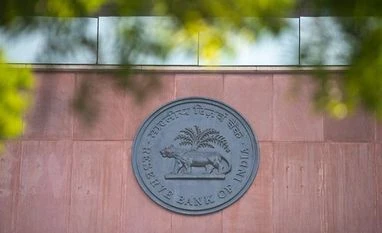 "Near-term economic prospects bright but demand may take time to return: RBI")
Explore Business Standard

Associate Sponsors
Co-sponsor
The tapering of the second wave of Covid pandemic coupled with aggressive vaccination has brightened the near-term prospects of the Indian economy
The tapering of the second wave of the COVID-19 pandemic coupled with aggressive vaccination has brightened the near-term prospects of the Indian economy, though a solid increase in aggregate demand may take some time, said the Reserve Bank of India on the state of economy.
Attributing the rise in inflation to the supply side disruptions on account of the pandemic and hardening of commodity prices in the international market, the RBI article opined that these factors should ease over the year as supply-side measures take effect.
"The tapering of the second wave, coupled with an aggressive vaccination push, has brightened near-term prospects for the Indian economy.
"While several high-frequency indicators of activity are recovering, a solid increase in aggregate demand is yet to take shape," said the article written jointly by RBI Deputy Governor M D Patra and other officials.
The RBI, however, said views expressed in the article are those of the authors and do not necessarily represent the views of the Reserve Bank of India.
On the supply side, agricultural conditions are turning buoyant with the revival in the monsoon but the recovery of manufacturing and services sectors has been interrupted by the second wave.
"The economy is struggling to regain the momentum of recovery that had started in the second half of 2020-21 but was interrupted by the second wave.
"The pick-up in inflation is driven largely by adverse supply shocks due to disruptions caused by the pandemic, including increases in margins and taxes," it said.
There are also specific demand-supply mismatches as in the case of protein-rich food items, edible oils and pulses, which are being addressed by specific supply-side measures, the article said.
But more needs to be done, it said, and added elevated international commodity prices, especially of crude, are also imparting cost-push pressures. These factors should ease over the year as supply side measures take effect.
"Furthermore, a solid increase in aggregate demand is yet to take shape. Even with a 9.5 per cent GDP growth in 2020-21, there will be substantial slack in the economy and demand pressures may take some more time to become evident," it said.
Inflation ruled above the tolerance band during June-November 2020 and has again moved above the upper tolerance threshold in May and June 2021.
The sense is that inflation will persist at these elevated levels for some months before easing in the third quarter of 2021-22 when the kharif harvest arrives in markets, it said.
Sowing for the kharif season covered 499.9 lakh hectares (around 46 per cent of the total acreage) by July 9, 2021. The progress of sowing has, however, been relatively muted -- 10.4 per cent lower than a year ago on account of inroads of the second wave into rural areas, hot weather leading to power slack and break in the monsoon's progress.
As of July 12, the cumulative rainfall in this season was seven per cent below the long period average (LPA) as against 13 per cent above a year ago. This is also reflected in fertiliser sales which remained subdued till May.
The article also noted that pump prices of petrol in all major metros have exceeded Rs 100 per litre in the first half of July, with an average price (pump prices in the four major metros) of Rs 102.92 per litre as on July 12, 2021. Diesel pump prices were also high at Rs 93.52 per litre.
After remaining steady for the past two-three months, kerosene and LPG prices have also registered increases in July so far.
(Only the headline and picture of this report may have been reworked by the Business Standard staff; the rest of the content is auto-generated from a syndicated feed.)
First Published: Jul 15 2021 | 6:53 PM IST

