New bankruptcy code makes India golden bet for this distressed debt trader

India now accounts for 30 to 40 percent of the Hong Kong-based loan and bond trading firm's activities
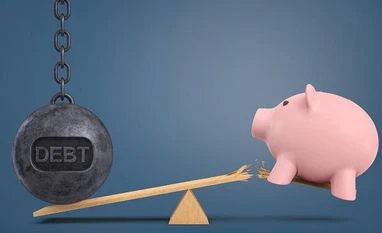
debt, company, loss, liquidity, liquidation
Photo: Shutterstock
Lianting Tu and Narae Kim | Bloomberg
Last Updated : Mar 22 2018 | 12:26 PM IST
SC Lowy Financial HK Ltd. said it will trade more distressed debt in India, which has become its most important market in Asia, thanks to a hefty supply spurred by the rollout of a new bankruptcy law.

India now accounts for 30 to 40 percent of the Hong Kong-based loan and bond trading firm’s activities, up from 10 to 15 percent just a year ago, said Soo Cheon Lee, its co-founder and chief investment officer. Previously, it was more or less evenly spread in Australia, Korea, China, India, South East Asia and West Asia.

“India is the main market for distressed debt in Asia for us,” Lee said in an interview. “It’s because of the Modi government’s initiative to clean up non-performing loans at its lenders” and the "amazing" execution of the new insolvency law, he said.

Cleaning up India’s stressed loans has been a big priority of Prime Minister Narendra Modi in order to attract investments to the country. The new insolvency resolution process, born in 2016 after the government overhauled its archaic bankruptcy laws, was designed to clear out distressed companies through asset sales.

Among companies under the resolution process are Essar Steel India Ltd., Aircel Ltd. and Bhushan Steel Ltd. A $2 billion bank fraud at Punjab National Bank will also likely add to the supply of distressed loans.

As a foreign financial firm, it is easier to do business in India than in China, where local partnerships are usually required, Lee said. High returns of about 15 percent from its distressed debt investments in India is a draw too, he said.

Rising bankruptcy cases in the South Asian nation are presenting new opportunities for hedge funds focusing on the latest fallout in banking and other key industries. Regulatory pressure for banks to recognize bad loans has also led to a 30 percent jump in non-performing loans, Fitch Ratings said in February 22 note.

One subscription. Two world-class reads.

Already subscribed? Log in

Subscribe to read the full story →
*Subscribe to Business Standard digital and get complimentary access to The New York Times

Smart Quarterly

₹900

3 Months

₹300/Month

SAVE 25%

Smart Essential

₹2,700

1 Year

₹225/Month

SAVE 46%
*Complimentary New York Times access for the 2nd year will be given after 12 months

Super Saver

₹3,900

2 Years

₹162/Month

Subscribe

Renews automatically, cancel anytime

Here’s what’s included in our digital subscription plans

Exclusive premium stories online

  • Over 30 premium stories daily, handpicked by our editors

Complimentary Access to The New York Times

  • News, Games, Cooking, Audio, Wirecutter & The Athletic

Business Standard Epaper

  • Digital replica of our daily newspaper — with options to read, save, and share

Curated Newsletters

  • Insights on markets, finance, politics, tech, and more delivered to your inbox

Market Analysis & Investment Insights

  • In-depth market analysis & insights with access to The Smart Investor

Archives

  • Repository of articles and publications dating back to 1997

Ad-free Reading

  • Uninterrupted reading experience with no advertisements

Seamless Access Across All Devices

  • Access Business Standard across devices — mobile, tablet, or PC, via web or app

Next Story



