The new electronics policy being mulled by the NITI Aayog does not reflect a marked departure from its previous policy, which laid more emphasis on domestic manufacturing and tax incentives accruing from foreign investments, but re-orients its focus to a more export-centric policy.
The old policy too faced several issues regarding coastal economic zones (CEZ), where electronics manufacturing units were supposed to come up and for which tax incentives would be given, like 10-year tax holidays etc.
In fact, the NITI Aayog had suggested that the Ministry of Shipping and the Department of Commerce in the Union Ministry should identify CEZs, ranging between 2000-3000 square kilometers, for establishing export clusters for electronics under the Sagarmala Project.
The report further advocated the creation of industry specific zones and clusters within CEZs that would have state-of-art infrastructure and provide ease of doing business for trading across borders, apart from providing relative flexibility in labour and land acquisition laws. It also called for the implementation of liberal laws for the development of urban spaces.
It remains to be seen whether the new policy would be qualitatively different from the old one, the draft of which has been out and put for public consultation. According to reports, the Aayog was on the verge of seeking a cabinet nod for the policy, but a fresh round of consultation has been advised.
There are, however, many differences between the two policies. To state a few, the new policy continues to remain focused on attracting global manufacturing giants to set up units in India, but it does so within the ambit of the CEZs.
Secondly, the old policy spoke of giving a 10-year tax holiday to those companies that either made investments of $1 billion and above or created at least 20,000 job opportunities. The new policy implements this provision into CEZs with relaxed land and labour laws.
Thirdly, The old policy laid special emphasis on free trade agreements to boost exports and create free-markets for electronic products. The new policy, on the other hand, does not seem to have any special emphasis on the same.
Lastly, unlike its predecessor that laid a special emphasis on semi-conductors manufacturing, the new policy has no clear indication of following suit.

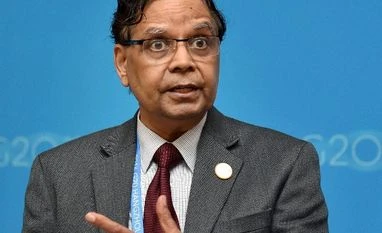 "New Electronic Policy pitches for an export plan")


 Connect with us on WhatsApp