New fiscal year, bureaucratic reforms likely to figure in PM's I-Day speech

On cards are lateral entry of a higher number of technocrats, appraisal system for civil servants
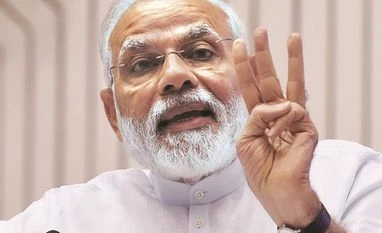
Narendra Modi
Prime Minister Narendra Modi has spoken at length about initiatives such as rural electrification and affordable housing in his previous speeches
Arup RoychoudhurySanjeeb Mukherjee New Delhi
Last Updated : Jul 31 2017 | 12:56 AM IST
Prime Minister (PM)  Narendra Modi is likely to touch upon bureaucratic reforms and a change in the financial year cycle, among other issues, when he delivers his fourth Independence Day speech from the ramparts of the Red Fort next month, Business Standard has learnt.

Highly placed sources said bureaucratic overhaul was the next big thing on Modi’s reform agenda and encompassed changes to the process of appraisals and appointments, besides allowing the lateral entry of more outsiders into the “steel frame” of governance. The PM’s Independence Day speeches have been known for flagging the government’s achievements as well as planned reforms. For example, Modi has spoken at length about initiatives such as rural electrification and affordable housing in his previous speeches. “A number of ideas are being considered on this front. The PM’s speech is still being finalised, but it may contain some details about planned reforms to the way governance is carried out,” said an official.

On the cards are the lateral entry of a higher number of technocrats and an appraisal system for civil servants that goes way beyond annual confidential reports. Such an appraisal system could take  into account officers’ reputation for probity and dedication and innovative solutions at grass-roots level. Such a system could affect everything from promotion to postings. Another initiative on which the PM could elaborate further on in his speech, is the change in financial year from April-March to January-December.

Though the PM might not formally announce the date for such a shift, he was likely to explain the benefits of the move, a second official said, adding that the government considered this to be a major economic reform after demonetisation and the goods and services tax (GST). He could also speak on the benefits that have been passed on to the masses after demonetisation, and the planned merger of state-owned banks. He had first talked about the financial year change in a governing council meeting of the NITI Aayog where all states participated. Madhya Pradesh became the first state in May to formally announce the shift to January-December from next year. Its current financial year will end in November. Finance Minister Arun Jaitley, too, announced in Parliament some days ago that the government was planning to shift to a January-December financial year.

One subscription. Two world-class reads.

Already subscribed? Log in

Subscribe to read the full story →
*Subscribe to Business Standard digital and get complimentary access to The New York Times

Smart Quarterly

₹900

3 Months

₹300/Month

SAVE 25%

Smart Essential

₹2,700

1 Year

₹225/Month

SAVE 46%
*Complimentary New York Times access for the 2nd year will be given after 12 months

Super Saver

₹3,900

2 Years

₹162/Month

Subscribe

Renews automatically, cancel anytime

Here’s what’s included in our digital subscription plans

Exclusive premium stories online

  • Over 30 premium stories daily, handpicked by our editors

Complimentary Access to The New York Times

  • News, Games, Cooking, Audio, Wirecutter & The Athletic

Business Standard Epaper

  • Digital replica of our daily newspaper — with options to read, save, and share

Curated Newsletters

  • Insights on markets, finance, politics, tech, and more delivered to your inbox

Market Analysis & Investment Insights

  • In-depth market analysis & insights with access to The Smart Investor

Archives

  • Repository of articles and publications dating back to 1997

Ad-free Reading

  • Uninterrupted reading experience with no advertisements

Seamless Access Across All Devices

  • Access Business Standard across devices — mobile, tablet, or PC, via web or app

Next Story



