
NITI Aayog working on policy to cut oil bill by $100 bn by 2030
India is the third biggest oil importer globally and the government has been making efforts to bring down imports by using alternative fuels such as methanol
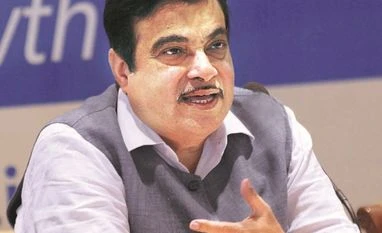 "NITI Aayog working on policy to cut oil bill by $100 bn by 2030")
premium
Explore Business Standard

Associate Sponsors
Co-sponsor
India is the third biggest oil importer globally and the government has been making efforts to bring down imports by using alternative fuels such as methanol
The government was "shortly" going to implement a scheme under which 15 per cent methanol will be blended with petrol and which will reduce the cost of the fuel by 10 per cent, the Road Transport Minister said during the Zero Hour.
India is the third biggest oil importer globally and the government has been making efforts to bring down imports by using alternative fuels such as methanol.
"The final roadmap for 'Methanol Economy' being worked out by NITI Aaayog is targeting an annual reduction of $100 billion by 2030 in crude imports in line with our PM's vision," Gadkari said.
He said a cabinet note on use of methanol in marine and water transport sector will be moved shortly.
The minister said use of methanol can result in "great environmental" benefits, adding its extensive use can reduce consumption of diesel by at least 20 per cent in next 5-7 years.
Gadkari said 20 per cent blending of methanol with cooking fuel LPG will be low hanging fruit as it would result in an immediate savings of Rs 6,000 crore a year.
Talking about the possible use of methanol in Railways, he said it can result in 50 per cent reduction in its diesel bills. Indian Railways consumes about 3 billion litres of diesel annually, costing Rs 15000 crore, he added.
"India will convert about 50 vessels in the Port sector and various vessels owned by government entities to operate on methanol," Gadkari said, adding that India has a huge potential of producing methanol.
"India, with 125 billion tonnes of proven coal reserves and 500 million tones of biomass generated every year and the huge quantities of stranded and flared gases has a huge potential for ensuring energy security based on alternate feedstock and fuels," he said.
Gadkari said India needs around 2,900 crore litres of petrol and 9000 crore litres of diesel annually and that its import bill on account of crude oil stands at almost Rs 6 lakh crore which the government wants to bring down.
Already subscribed? Log in
Subscribe to read the full story →

3 Months
₹300/Month
1 Year
₹225/Month
2 Years
₹162/Month
Renews automatically, cancel anytime

Over 30 premium stories daily, handpicked by our editors


News, Games, Cooking, Audio, Wirecutter & The Athletic
Digital replica of our daily newspaper — with options to read, save, and share


Insights on markets, finance, politics, tech, and more delivered to your inbox
In-depth market analysis & insights with access to The Smart Investor


Repository of articles and publications dating back to 1997
Uninterrupted reading experience with no advertisements


Access Business Standard across devices — mobile, tablet, or PC, via web or app
First Published: Dec 28 2017 | 10:23 PM IST

