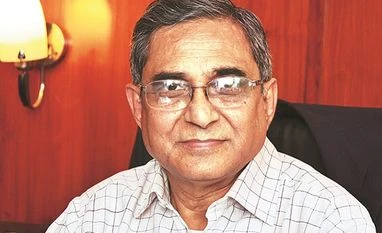
Navin Kumar does not look tense, despite formal roll-out starting from Monday of the uploading of invoices for all goods and services tax (GST) assessees. The GST Network (GSTN) chairman speaks to Dilasha Seth and Indivjal Dhasmana on various aspects of the new regime. Edited excerpts:
How are you getting ready for the invoice uploading?
The process has already started but not for the general public. It is now open for Suvidha Providers, people who were part of the beta testing, some tax officers. It will open for all from this week. We are looking at the functionality of invoice upload, whether things work as intended. If there are problems, we will make corrections. At least 4,000-5,000 people are there.
Another purpose was to see how GSPs (GST Suvidha Providers) are working, as all big taxpayers will be coming through these. We had a meeting with them on Wednesday. We found they had prepared everything but connectivity to GST had not materialised. This has to come through ISPs (Internet Service Providers), a commercial arrangement made by them. We are facilitating this, so that everything is okay when we start services this week.
Small and medium enterprises and traders are saying they face difficulty in registration.
I have not understood this. These are all part of the eight million registered under the old indirect taxation system and they have been filing returns for the past 10 years.
Some of them say they tried logging in but details of other assessees came up.
That happens only when there is a tax practitioner feeding data for many people. If entering data for more than one person on the same browser in the same session, there is a procedure for that. When you connect to the portal, files are downloaded on the computer, called cookies. All the data gets stored here before going to the website. So, when you finish with the first person and start entering data of the second one, and have not cleared cookies over here, the same data will appear.
The option is to override the first one and then upload data of the second person. So, the issue is how the computer is being handled and not at our end. These are not concerns of only small and medium traders; anyone could encounter these. There is a procedure to handle the entering of data.
Small and medium entities also say since they do not have connectivity and electricity, how can they operate computers?
How were these eight million filing returns under the old taxation system? Under that, 6.7-6.8 million people were only under state-level VAT (value-added tax). Under the VAT regime, 37 per cent of taxpayers were below a threshold. That threshold was only Rs 5 lakh; those below had registered voluntarily. What used to happen was that SMEs and persons were filing returns even under that system and somebody was helping them. When you go to purchase a house, do you know how to build a house, how to paint, how to do electrification? You don’t. You hire those who know. Similarly, for tax filing, if you know tax laws, you know computers, you do it for yourself. Others don’t file tax themselves; they take the help of those who know.
Were manual returns filed under VAT?
There is no manual filing. In VAT, the Union government started digitalisation of commercial taxes way back in 2005. There was a problem in the beginning but people slowly learnt how to go about it. If you take the case of a backward state such as Jharkhand, filing return was 100 per cent online, whether for VAT, excise duty or service tax. These issues relating to small taxpayers and connectivity are no issues at all — our people have found solutions for these.
But, people are finding it difficult to upload documents for registration.
Do you know the number of registrations on GSTN? Almost 900,000 new enrolments (those out there under the old taxation system) in 25-odd days. How are they filing if there are problems? When we did our calculations of how many new assessees would register under GST, we found there were eight million under the old system and there had been a four to five per cent annual increase in the base. Five per cent of eight million comes to 400,000 assessees in a year but we have almost 900,000 in 25-odd days.
What types of problems are being reported to you through the call centres you have set up?
The highest number of calls being received are for use of the digital signature certificate (DSC).
Will your real test start with invoice-wise return filing from September?
No, it will start with uploading of the invoices from this week. That is what we are starting now, that people upload even before filing of returns. If that happens, people take our advice, it will be good for them, it will be good for us.
How much of tax payments have been made under GST so far?
Taxes are paid with returns. But, some taxes have come from, say, IGST on imports or from instances where some tax officer has caught someone not paying taxes. These are around Rs 10 crore (gross).
A gross figure, the input tax credit being adjusted?
A gross figure.
Could we make an assessment from this figure about growth in taxes under GST?
No, the actual taxes paid will come from interim return filing, from next month. This is not an indication of tax collections but stray payments.