RBI continues to support growth, rupee: Governor Shaktikanta Das

India comfortably placed to deal with spill-overs from Ukraine crisis, says Das
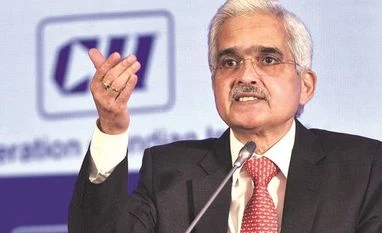
Shaktikanta Das
RBI Governor Shaktikanta Das | Photo: Kamlesh Pednekar
Manojit SahaSubrata Panda Mumbai
4 min read Last Updated : Mar 22 2022 | 12:57 AM IST
After resisting the “temptation” to reverse monetary policy due to occasional spikes in inflation rates in the past two years, the Reserve Bank of India (RBI) will continue to support growth and keep the system adequate with liquidity to assist productive sectors, while maintaining exchange rate stability, Governor Shaktikanta Das said on Monday.

“The RBI for the past two years has remained supportive of growth and we have resisted all temptations and expectations of reversing our monetary policy and moving away from the accommodative stance because we could clearly see that inflation would moderate and it did moderate,” Das said at an event organised by the Confederation of Indian Industry.

Das, however, said the central bank was aware of its primary responsibility of maintaining price stability.

“When the economy was facing the grim prospects of negative growth, that was not the time to change stance. What we will do in the next MPC (Monetary Policy Committee) meeting is something we will discuss,” he said.

The consumer price index-based inflation rate hit an eight-month high in February at 6.07 per cent. The RBI, which has projected a 4.5 per cent inflation rate for the next fiscal year, will review the numbers in the next MPC meeting, scheduled for April 6-8.


“Worries have been expressed in several quarters about inflation going up. Similar situations prevailed in 2020 and 2021. In the last two months, the inflation (rate) has been above 6 per cent. Our earlier inflation forecast was 4.5 per cent by March 2023. I will not comment on the inflation expectations because that is something I will leave to the MPC,” he said.

The governor said the central bank would maintain adequate liquidity in the banking system.

“There will be abundant liquidity to meet the productive requirements of the economy,” he said.

He said of the liquidity support of Rs 17 trillion in the past two years, banks had availed themselves of Rs 12 trillion. Of this, Rs 5 trillion has come back.

The governor dismissed fears of any spill-over effects for India due to the geopolitical tensions in Ukraine. He said the RBI would maintain the rupee’s stability. The rupee reached an all-time low of 76.97 on March 7 after the Russian invasion of Ukraine because global crude oil prices crossed $100 for the first time since 2014. The rupee, however, made a strong recovery.

Das said the rupee depreciated only 0.4 per cent in the current fiscal year, driving home the point that exchange rate stability had been maintained.

The country is comfortably placed to deal with any challenges emanating from the geopolitical crisis with its comfortable foreign exchange reserves, he said.

“In the run-up to the current crisis, our current account deficit is very low. Secondly, our forex reserves are very high. Over the last three years, our forex reserves have gone up by almost $270 billion,” he said.

India’s current account deficit for the July-September quarter was 1.3 per cent of GDP, much less than the 2.5 per cent threshold, whose breach worries policymakers.

He said RBI held a lot of foreign exchange in forward assets, which mature from time to time.

While answering a question from the audience, Das dismissed the prospects of stagflation.

“In our assessment, such prospects (stagflation) do not exist. India is far away from such a grim prospect,” he said.

“For the last two months, it [CPI inflation] was above 6 per cent. We do expect inflation to moderate. I don’t see a situation wherein inflation keeps on exceeding the band which we have. With all the volatility and uncertainties, India, as far as I can see, and we see it in the RBI, the prospect of stagflation so far as India is concerned does not arise,” he said.

The governor also alluded to the increasing resilience of the banking sector in India by pointing out declining bad loans, higher capital, and an improved capital adequacy ratio.

One subscription. Two world-class reads.

Already subscribed? Log in

Subscribe to read the full story →
*Subscribe to Business Standard digital and get complimentary access to The New York Times

Smart Quarterly

₹900

3 Months

₹300/Month

SAVE 25%

Smart Essential

₹2,700

1 Year

₹225/Month

SAVE 46%
*Complimentary New York Times access for the 2nd year will be given after 12 months

Super Saver

₹3,900

2 Years

₹162/Month

Subscribe

Renews automatically, cancel anytime

Here’s what’s included in our digital subscription plans

Exclusive premium stories online

  • Over 30 premium stories daily, handpicked by our editors

Complimentary Access to The New York Times

  • News, Games, Cooking, Audio, Wirecutter & The Athletic

Business Standard Epaper

  • Digital replica of our daily newspaper — with options to read, save, and share

Curated Newsletters

  • Insights on markets, finance, politics, tech, and more delivered to your inbox

Market Analysis & Investment Insights

  • In-depth market analysis & insights with access to The Smart Investor

Archives

  • Repository of articles and publications dating back to 1997

Ad-free Reading

  • Uninterrupted reading experience with no advertisements

Seamless Access Across All Devices

  • Access Business Standard across devices — mobile, tablet, or PC, via web or app

Topics :Reserve Bank of IndiaInflationShaktikanta DasIndian EconomyLiquidityCII

Next Story



