RBI eases current account opening rules for exposure below Rs 5 cr

Rules changed after feedback from the Indian Banks' Association and other stakeholders, says the regulator
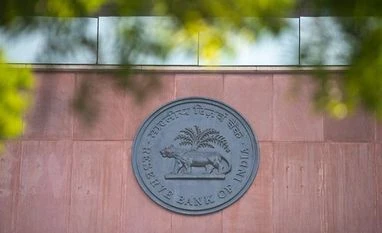
RBI, Reserve Bank of India
Borrowers to inform lenders when credit facilities availed crosses Rs 5 crore. Photo: Shutterstock
Abhijit Lele Mumbai
2 min read Last Updated : Oct 30 2021 | 12:52 AM IST
In a relief to small-size firms, the Reserve Bank of India (RBI) on Friday relaxed rules for opening current accounts with the banking system’s exposure of less than Rs 5 crore. The RBI asked banks to take an undertaking from borrowers that they will inform lenders when the credit facilities availed reaches Rs 5 crore or more.

The rules have been tweaked based on feedback received from Indian Banks’ Association (IBA) and other stakeholders, the RBI said.

Borrowers with banking system’s exposure of Rs 5 crore or more can maintain current accounts with any one of the banks with which it has CC/OD facility. Such banks must have at least 10 per cent of the exposure of the banking system to that borrower.

Further, other lending banks may open only collection accounts, the RBI said. This can be done on condition that funds deposited in such accounts are remitted within two working days of receiving these to the CC/OD account.

The bank having the highest exposure may open current accounts when no lender has at least 10 per cent exposure to the borrower. Non-lending banks are not permitted to open current accounts. Borrowers who are not availing CC/OD facility will continue to maintain current accounts in line with present rules. 

Illustration: Binay Sinha

Further, banks will not face any curbs in opening and maintaining interbank accounts, accounts opened under specific instructions of the central government and state governments. Banks have to ensure that these accounts are used for permitted/specified transactions only. Further, banks will be required to flag these accounts in the core banking system for easy monitoring.

Lenders to such borrowers may also enter agreements or arrangements with borrowers for monitoring of cash flows/periodic transfer of funds (if permissible) in these current accounts. There will not be curbs on accounts attached by orders from the central or state governments, regulatory body, courts and investigating agencies. The RBI said banks have to monitor all accounts regularly, at least on a half-yearly basis, specifically for the exposure of the banking system to the borrower, and the bank’s share in that exposure. 

If there is any change in exposure of banks to the borrower which warrants new banking arrangements, such changes shall be implemented within three months from the date of monitoring.


One subscription. Two world-class reads.

Already subscribed? Log in

Subscribe to read the full story →
*Subscribe to Business Standard digital and get complimentary access to The New York Times

Smart Quarterly

₹900

3 Months

₹300/Month

SAVE 25%

Smart Essential

₹2,700

1 Year

₹225/Month

SAVE 46%
*Complimentary New York Times access for the 2nd year will be given after 12 months

Super Saver

₹3,900

2 Years

₹162/Month

Subscribe

Renews automatically, cancel anytime

Here’s what’s included in our digital subscription plans

Exclusive premium stories online

  • Over 30 premium stories daily, handpicked by our editors

Complimentary Access to The New York Times

  • News, Games, Cooking, Audio, Wirecutter & The Athletic

Business Standard Epaper

  • Digital replica of our daily newspaper — with options to read, save, and share

Curated Newsletters

  • Insights on markets, finance, politics, tech, and more delivered to your inbox

Market Analysis & Investment Insights

  • In-depth market analysis & insights with access to The Smart Investor

Archives

  • Repository of articles and publications dating back to 1997

Ad-free Reading

  • Uninterrupted reading experience with no advertisements

Seamless Access Across All Devices

  • Access Business Standard across devices — mobile, tablet, or PC, via web or app

Topics :Reserve Bank of IndiaRBIBanking systembank accounts

Next Story



