RBI governor says no need for further bond-buying, signals policy taper

RBI bought 2.2 trillion rupees of bonds through Government Securities Acquisition Programme, or GSAP, in previous two quarters.
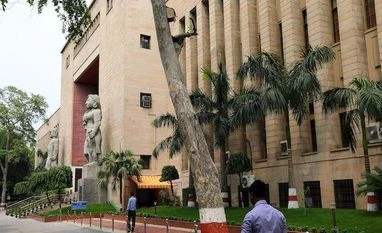
RBI
Monetary Policy Committee decides to keep the benchmark repurchase rate at 4%.
Anirban Nag and Subhadip Sircar | Bloomberg
2 min read Last Updated : Oct 08 2021 | 10:51 AM IST
India’s central bank suspended its version of quantitative easing, signaling the start of tapering pandemic-era stimulus measures as an economic recovery takes hold.

There is no need for further bond-buying, Reserve Bank of India Governor Shaktikanta Das said in an online broadcast Friday, while stressing the step is not a reversal of its accommodative policy stance. The RBI will be ready to resume purchases if needed, he said.

The central bank bought 2.2 trillion rupees of bonds through Government Securities Acquisition Programme, or GSAP, in previous two quarters.

The six-member Monetary Policy Committee earlier decided to keep the benchmark repurchase rate at 4%, a decision predicted by all 34 economists surveyed by Bloomberg. The panel voted 5-1 to retain the accommodative stance, Das said.


Still, the decision represents a partial retreat from the dovish stance the central bank has maintained to support the economy’s durable recovery from the pandemic-induced shock. Surplus funds in the banking system at close to 9 trillion rupees presents an upside risk to inflation, which has been hovering above the RBI’s 4% medium-term target most of this year.

For now, Das cut the inflation forecast to 5.3% for the current financial year from 5.7% previously. He has repeatedly maintained that inflationary pressures were transitory and the economy needed support from all sides to recover from the pandemic shock. 

“Aggregate demand is improving but slack still remains,” Das said. “Output is still below pre-pandemic level and the recovery remains uneven and dependent upon continued policy support.”

The central bank retained its growth forecast for the economy at 9.5% in the financial year ending March. A near normal monsoon, strong export performance and easing of localized lockdowns are all likely to help India to bridge a yawning output gap and considerable slack in the manufacturing sector.

One subscription. Two world-class reads.

Already subscribed? Log in

Subscribe to read the full story →
*Subscribe to Business Standard digital and get complimentary access to The New York Times

Smart Quarterly

₹900

3 Months

₹300/Month

SAVE 25%

Smart Essential

₹2,700

1 Year

₹225/Month

SAVE 46%
*Complimentary New York Times access for the 2nd year will be given after 12 months

Super Saver

₹3,900

2 Years

₹162/Month

Subscribe

Renews automatically, cancel anytime

Here’s what’s included in our digital subscription plans

Exclusive premium stories online

  • Over 30 premium stories daily, handpicked by our editors

Complimentary Access to The New York Times

  • News, Games, Cooking, Audio, Wirecutter & The Athletic

Business Standard Epaper

  • Digital replica of our daily newspaper — with options to read, save, and share

Curated Newsletters

  • Insights on markets, finance, politics, tech, and more delivered to your inbox

Market Analysis & Investment Insights

  • In-depth market analysis & insights with access to The Smart Investor

Archives

  • Repository of articles and publications dating back to 1997

Ad-free Reading

  • Uninterrupted reading experience with no advertisements

Seamless Access Across All Devices

  • Access Business Standard across devices — mobile, tablet, or PC, via web or app

Topics :RBI repo rateRBI monetary policyShaktikanta Das

Next Story


