RBI likely to keep rates unchanged amid high inflation, signs of recovery

The six-member Monetary Policy Committee is forecast to hold the benchmark repurchase rate at 4% Friday
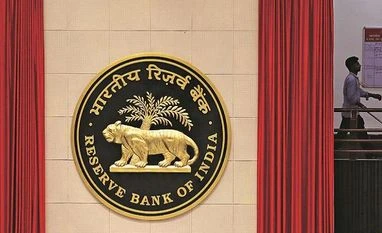
reserve bank of india, rbi
A spike in consumer prices forced the panel to pause after cutting rates by 115 basis points this year.
Anirban Nag | Bloomberg
4 min read Last Updated : Dec 03 2020 | 7:36 AM IST
India’s central bank will likely keep interest rates unchanged for a third straight meeting as inflation stays stubbornly high and signs appear of growth beginning to return to Asia’s third-largest economy.

The six-member Monetary Policy Committee is forecast to hold the benchmark repurchase rate at 4% Friday, according to all 30 economists surveyed by Bloomberg as of Thursday afternoon. A spike in consumer prices forced the panel to pause after cutting rates by 115 basis points this year, although it’s expected to conserve some ammunition to support growth by retaining an accommodative stance for the near future.

“The RBI will be well served by not making changes to the repo rate or its accommodative stance,” said Pranjul Bhandari, chief India economist at HSBC Holdings Plc in Mumbai. She expects the central bank to update its forecasts on inflation and growth, besides sharing its views on developments including a liquidity glut in the money market.

Here’s what to watch for in the MPC decision to be announced by Governor Shaktikanta Das at 10 a.m. in Mumbai Friday. He will hold a virtual briefing two hours later:

Growth Outlook
 
The central bank, which expects the economy to shrink 9.5% in the year to March, may revise its forecast after a less-than-expected decline in gross domestic product in the July-September quarter. For now, the economy is in a technical recession, and the RBI’s previous forecast was for a 5.6% contraction in the quarter through December, followed by a return to growth in the three months to March.

India entered its first recession since quarterly records started in 1996
 
A separate Bloomberg survey of the December quarter showed economists were less gloomy, with the median forecast for a 2% contraction. For the full year, they expect an 8.7% decline, which is a tad milder than their previous prediction for an 8.9% drop.

High-frequency indicators suggest activity picked up in October due to festival demand and inventory drawdown. While some of those positives spilled over to November, there are signs that demand is tapering off, keeping downside risks alive.

Inflation Forecast
 
Headline retail inflation of well above 7% is the bugbear for monetary policy makers, given that they have a mandate of keeping it between 2%-6%. Late last month, RBI Executive Director and MPC member Mridul Saggar said more policy space will be created only when inflation eases, with the central bank having cut rates by a “great deal.”

“Inflation spiked to 7.6% in October on rising food prices, making the MPC’s 5.4%-4.5% forecast for second half of the fiscal year difficult to achieve,” said Kanika Pasricha, an economist at Standard Chartered Plc in Mumbai. “The MPC may sound cautious on inflation.”

Economists at Nomura Holdings Inc. dropped their call for 50 basis-points of rate cuts in the first half of 2021, given the upside to inflation, while Kaushik Das, chief India economist at Deutsche Bank AG, sees no further room for easing in this cycle.

Yield Management

Given its hands are tied by high inflation, the central bank has opted to keep borrowing costs in check by conducting open market bond purchases, liquidity injections and its own version of “Operation Twist” where it sells short-dated securities and buys the long-term ones in a bid to ensure that the yield curve does not steepen.

The resultant glut of liquidity in the banking system has led to a crash in short-term rates, raising questions about the efficacy of the rate. As such, the RBI’s yield curve and liquidity management will be in focus Friday.

The MPC’s views on liquidity will assume more importance, as the transient surplus has pushed down short-term rates sharply, said Radhika Rao, an economist at DBS Group Holdings Ltd. in Sing

One subscription. Two world-class reads.

Already subscribed? Log in

Subscribe to read the full story →
*Subscribe to Business Standard digital and get complimentary access to The New York Times

Smart Quarterly

₹900

3 Months

₹300/Month

SAVE 25%

Smart Essential

₹2,700

1 Year

₹225/Month

SAVE 46%
*Complimentary New York Times access for the 2nd year will be given after 12 months

Super Saver

₹3,900

2 Years

₹162/Month

Subscribe

Renews automatically, cancel anytime

Here’s what’s included in our digital subscription plans

Exclusive premium stories online

  • Over 30 premium stories daily, handpicked by our editors

Complimentary Access to The New York Times

  • News, Games, Cooking, Audio, Wirecutter & The Athletic

Business Standard Epaper

  • Digital replica of our daily newspaper — with options to read, save, and share

Curated Newsletters

  • Insights on markets, finance, politics, tech, and more delivered to your inbox

Market Analysis & Investment Insights

  • In-depth market analysis & insights with access to The Smart Investor

Archives

  • Repository of articles and publications dating back to 1997

Ad-free Reading

  • Uninterrupted reading experience with no advertisements

Seamless Access Across All Devices

  • Access Business Standard across devices — mobile, tablet, or PC, via web or app

Topics :RBIMPC meetmonetary policy committee

Next Story



