
RBI may have to delay liquidity normalisation amid rising virus cases
RBI may have to delay liquidity normalisation amid rising virus cases
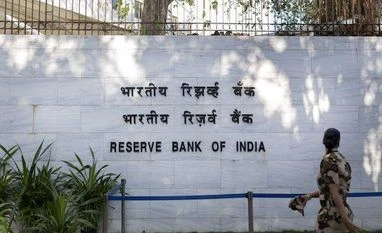 "RBI may have to delay liquidity normalisation amid rising virus cases")
WebinarsNew
Deep DiveNew
Explore Business Standard
RBI may have to delay liquidity normalisation amid rising virus cases
India's central bank may have to delay the start of monetary policy normalisation by three months amid rising COVID-19 cases, but barring the return of stringent lockdowns there is no significant threat to the economy's recovery, analysts say.
Having seen a peak of daily cases of nearly 100,000 in late September, infections had been on a steady decline but have now started rising again over the last month.
"Even as the increase in the current caseload points to the risk of a second wave, more localised and less stringent restrictions (on activity) will help contain the economic impact versus the initial wave," said Radhika Rao, an economist with DBS Bank.
DBS has retained its assumptions for a stronger pick-up in March quarter growth versus the December 2020 quarter, and expects a double-digit rebound in fiscal year 2021/22.
India reported 35,871 new coronavirus cases on Thursday, the highest in more than three months, with the worst-affected state of Maharashtra, which houses the country's financial capital Mumbai, alone accounting for 65% of that.
India needs to take quick and decisive steps soon to stop an emerging second "peak" of COVID-19 infections, Prime Minister Narendra Modi said on Wednesday.
Though analysts are unlikely to rush to review their long-term growth forecasts, several believe policy normalisation on interest rates and liquidity, may now take a backseat.
"Monetary policy normalisation might be pushed back by a quarter as authorities monitor developments closely, with status quo on the cards on the repo as well as liquidity management plans for H121," Rao said.
The Reserve Bank of India has repeatedly assured bond markets of ample liquidity being maintained to support the recovery, but in early January said it wanted to start restoring normal liquidity operations in a phased manner.
"Growth concerns due to rising pandemic cases amid a negative output gap could push back market expectations on the timing of policy normalisation in the near term," Nomura economists Sonal Varma and Aurodeep Nandi wrote in a note.
Though surplus liquidity is a positive from the perspective of ensuring credit flows to productive sectors, economists fear it may add to inflationary pressures if it remains in the system for too long.
"Although inflation has moderated from the high level, the surge in global crude oil price has added to the upside risk," said Arun Singh, global chief economist at Dun and Bradstreet. "The central bank thus, has a difficult task of managing the inflation target while preventing a rise in borrowing cost to the government."
(Reporting by Swati Bhat; Editing by Kim Coghill)
First Published: Mar 18 2021 | 2:45 PM IST


 Connect with us on WhatsApp