RBI's communication strategy under a cloud
Most media houses went by the revised release as anyway they were not present at the function and did not know what Rajan had actually said
Manojit Saha Mumbai Reserve Bank of India Governor Raghuram Rajan's comments at the inauguration of the Meghnad Desai Academy of Economics on Monday were made public by the communications agency even though he wanted it to remain a private function that was off-limits to the media. Not that the governor spoke anything sensational about issues ranging from bad loans to the recent revised draft of the Indian Financial Code, but what made the matter curious was the agency's decision to revise the release after dropping a few paragraphs from the original version.
Most media houses went by the revised release as anyway they were not present at the function and did not know what Rajan had actually said.
Apparently, the governor was given the impression that the interaction was with students and without any media presence. But when RBI realised that what he said had been passed on to the media - which Rajan was not comfortable with - the press release was changed. Nonetheless, the damage had been done.
But independent observers and central bank watchers say in the days of social media, the RBI governor's preference to speak something when media is present and something else when it isn't can create more confusion going forward. It happened in March this year when Rajan got upset with the media for "misreporting" his speech made at a college in Mumbai's suburbs.
In early March, the media reported RBI was not in a position to cut rate, quoting the governor's speech to college students. However, what happened on March 4 was exactly the opposite. A day ahead of the policy review, RBI reduced the interest rate, taking analysts and investors by surprise who had been relying on the reported speech.
Speaking to analysts in the post-policy conference call, Rajan said, such things "come from paying attention to closed door meetings which should not have been reported outside. I apologise to the wider public, but there were no reporters supposed to be present, this was a direct interaction with students." He also added that he had been misquoted.
There are other instances, too. In London, in the last week of June, the media reported Rajan had warned about the likelihood of a repeat of the Great Depression. The central bank then issued a statement saying that the governor had, once again, been misquoted.
The problem, observers say, is that hardly anything can be kept a secret in the days of Twitter. It is quite natural that some students might tweet the governor's comments while he was speaking. Or someone may put out his comments on their Facebook wall. The information will be out even if traditional media is not present.
So observers say the policy of what the governor will speak about depending on whether traditional media is present or not is redundant. A central bank governor is a public figure. What he tells a packed house is bound to come out in public even if traditional media is not there. Retraction of such comments will only leave the markets jittery.

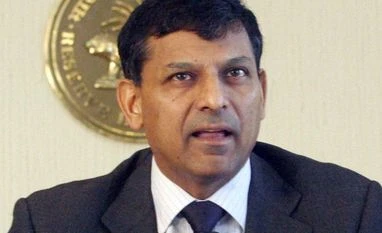 "RBI's communication strategy under a cloud")


 Connect with us on WhatsApp