
RBI's MPC to continue to support growth as inflation seen easing: Minutes
"Inflation pressures in India continue to emanate largely from supply side factors, and the recent print also reflects adverse base effects," Shaktikanta Das said
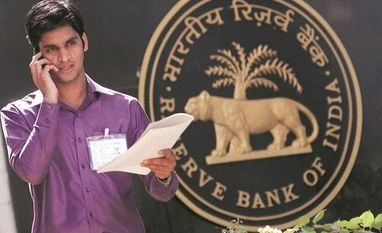 "RBI's MPC to continue to support growth as inflation seen easing: Minutes")
WebinarsNew
Deep DiveNew
Explore Business Standard
"Inflation pressures in India continue to emanate largely from supply side factors, and the recent print also reflects adverse base effects," Shaktikanta Das said
With economic growth in India having lost some momentum due to a third wave of COVID-19 and with inflation on a downward trend, the country's monetary policy committee chose to retain its policy rate and stance, minutes of its Feb. 10 meeting showed.
"Inflation pressures in India continue to emanate largely from supply side factors, and the recent print also reflects adverse base effects," Reserve Bank of India (RBI) Governor Shaktikanta Das wrote in the minutes published on Thursday.
"The expected moderation in inflation trajectory over the next financial year provides room for monetary policy to remain accommodative. At the same time, economic recovery from the pandemic remains incomplete and uneven and continued support from various policies remains crucial for a sustained recovery."
India's consumer prices rose 6.01% in January compared with the same month last year, compared with a revised 5.66% rise year-on-year in December, boosted by rising costs of food, fuel and household items.
But the RBI's monetary policy committee (MPC) left the benchmark repo rate unchanged at 4.0%, sticking to its accommodative policy stance at its latest meeting.
RBI deputy governor Michael Patra said messages from incoming high frequency indicators were mixed, warranting policy support, while inflation was approaching an inflection point and it was projected to be on a downward path all through 2022/23.
The lone dissenter in the MPC, external member Jayant Varma however said since monetary policy acts with lags, it was important to set policy looking at the expected state of the economy three to four quarters ahead and not in terms of where it was at the time of the meeting.
Varma said that although data and projections suggested that real interest rates needed to remain low, they did need to become mildly positive during 2022/23 and that there would be a need for a modest rise in nominal interest rates.
Varma like others voted in favour of keeping the repo rate at 4% but voted against keeping the stance accommodative on two counts.
"First, a switch to neutral stance is now long overdue. Second, the continued harping on combating the ill effect of the pandemic has become counter productive and deflects the focus of the MPC away from the core issue of addressing the recessionary trends that go back at least to 2019," he wrote.
(Reporting by Swati Bhat; Editing by Hugh Lawson)
(Only the headline and picture of this report may have been reworked by the Business Standard staff; the rest of the content is auto-generated from a syndicated feed.)
First Published: Feb 24 2022 | 6:34 PM IST


 Connect with us on WhatsApp