
RBI's surprise hawkish pivot spurs economists to move up rate calls
The RBI surprised markets Friday by saying it now prioritizes tackling inflation over supporting economic growth
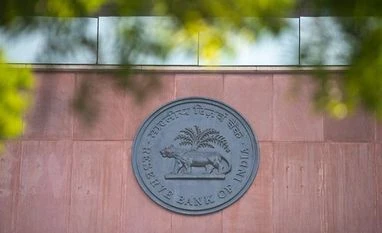 "RBI's surprise hawkish pivot spurs economists to move up rate calls")
premium
Explore Business Standard
The RBI surprised markets Friday by saying it now prioritizes tackling inflation over supporting economic growth
The Indian central bank’s unexpected signal that it’s heading toward exiting easy monetary policy is prompting some economists to revise their outlooks on the timing and number of rate hikes this year.
Citigroup Inc. now sees the Reserve Bank of India’s rate lift-off happening in August, as opposed to an October timing it had earlier predicted, while HSBC Holdings Plc sees two moves each this year and the next, pushing the key rate to 5% by mid-2023, versus a previous outlook of 4.5% by end-March.
The RBI surprised markets Friday by saying it now prioritizes tackling inflation over supporting economic growth, shifting gears after more than two years. Governor Shaktikanta Das and his colleagues signaled they will focus on withdrawing accommodative policies, while introducing a new 3.75% standing deposit facility rate to soak up excess cash from lenders.
“The tweak in the guidance to acknowledge the need to start withdrawal of accommodation leaves the June rate review live for a change in the stance to neutral,” Radhika Rao, an economist at DBS Bank Ltd., wrote in a note, referring to the next policy announcement scheduled for June 8.
Rao retained her expectation for the benchmark repurchase rate to be raised by a cumulative 75 basis points, from 4% now, during the current fiscal year through March. She sees local factors guiding the decision, rather than the global tightening cycle led by the Federal Reserve.
The policy decision last week effectively kicked off a tightening cycle to tackle inflation, which the monetary authority sees averaging 5.7% in the current fiscal year, against a 4.5% forecast earlier.
India has two policy objectives of safeguarding growth and controlling inflation and two instruments -- fiscal policy and monetary policy -- to achieve that, HSBC economists led by Pranjul Bhandari wrote in a report to clients.
“An appropriate strategy, whereby fiscal policy set by the government focuses on growth and monetary policy set by the RBI focuses on inflation, could achieve an optimal outcome,” they wrote.
Already subscribed? Log in
Subscribe to read the full story →

3 Months
₹300/Month
1 Year
₹225/Month
2 Years
₹162/Month
Renews automatically, cancel anytime

Over 30 premium stories daily, handpicked by our editors


News, Games, Cooking, Audio, Wirecutter & The Athletic
Digital replica of our daily newspaper — with options to read, save, and share


Insights on markets, finance, politics, tech, and more delivered to your inbox
In-depth market analysis & insights with access to The Smart Investor


Repository of articles and publications dating back to 1997
Uninterrupted reading experience with no advertisements


Access Business Standard across devices — mobile, tablet, or PC, via web or app
First Published: Apr 11 2022 | 2:03 PM IST


