
RBI surplus transfer to govt lowest in last 7 years, says S C Garg
Earlier this month, the RBI board approved a surplus transfer of Rs 57,128 crore to the central government for Accounting Year 2019-20 (July-June)
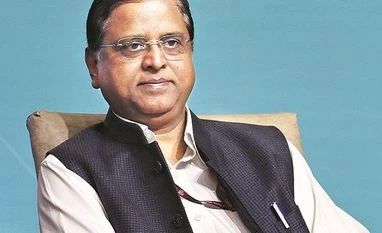 "RBI surplus transfer to govt lowest in last 7 years, says S C Garg")
premium
Explore Business Standard
Earlier this month, the RBI board approved a surplus transfer of Rs 57,128 crore to the central government for Accounting Year 2019-20 (July-June)
Former Finance Secretary S C Garg said on Wednesday that the RBI transferred only 44 per cent of its surplus or income to the government, which is the lowest in percentage terms in the last seven years.
Earlier this month, the RBI board approved a surplus transfer of Rs 57,128 crore to the central government for Accounting Year 2019-20 (July-June).
Garg was the Economic Affairs Secretary when the RBI and Finance Ministry were at loggerheads over surplus transfer and the Economic Capital Framework (ECF).
During a crucial board meeting on November 19, 2018, the RBI decided to appoint a committee to decide on an appropriate size of reserves that the central bank should maintain and the dividend it should give to the government.
Subsequently, the RBI appointed a six-member panel headed by former RBI Governor Bimal Jalan on December 26, 2018 and the panel submitted its report in August 2019.
"RBI earns surplus of Rs 1497 billion for 2019-20. Retains Rs. 736 billion. Transfers to Govt. Rs. 571 billion (44% only). Lowest transfer and largest retention in the last seven years. Real gift of Bimal Jalan Panel to the Govt!," Garg said in a tweet.
"Rs. 1497 billion is total income. Surplus is Rs. 1307 billion. Distribution of surplus- Rs. 736 billion retained by RBI and Rs. 571 billion transferred to Government of India," he said in another tweet.
In 2018-19, the RBI's income was Rs 1,93,036 crore as against Rs 78,281 crore in the previous financial year.
In August 2019, RBI's central board gave its nod for transferring to the government a sum of Rs 1,76,051 crore comprising Rs 1,23,414 crore of surplus for 2018-19 and Rs 52,637 crore of excess provisions identified as per the revised Economic Capital Framework (ECF).
The excess reserve transfer was in line with the recommendation of former RBI governor Bimal Jalan-led panel constituted to decide the size of capital reserves that the central bank should hold. The government was represented by the then Finance Secretary Rajiv Kumar in the panel which finalised its report on August 14, 2019 by consensus.
Since 2013-14, the RBI has been paying 99 per cent of its disposable income to the government, which is battling to rein in deficits.
The size of the Reserve Bank's balance sheet, which is reflective of activities carried out by it in pursuance of currency issue function as well as monetary policy and reserve management objectives, has increased by 30.02 per cent in the year ended June 30, 2020, says its annual report released on Tuesday.
The balance sheet increased by Rs 12,31,888 crore to Rs 53,34,793 crore during the year ended June 30, 2020.
Already subscribed? Log in
Subscribe to read the full story →

3 Months
₹300/Month
1 Year
₹225/Month
2 Years
₹162/Month
Renews automatically, cancel anytime

Over 30 premium stories daily, handpicked by our editors


News, Games, Cooking, Audio, Wirecutter & The Athletic
Digital replica of our daily newspaper — with options to read, save, and share


Insights on markets, finance, politics, tech, and more delivered to your inbox
In-depth market analysis & insights with access to The Smart Investor


Repository of articles and publications dating back to 1997
Uninterrupted reading experience with no advertisements


Access Business Standard across devices — mobile, tablet, or PC, via web or app
First Published: Aug 26 2020 | 10:38 PM IST


