RCEP pact likely to see dumping of Chinese goods: Industry to govt

Piyush Goyal met representatives during a series of parleys in Mumbai on Monday to allay fears
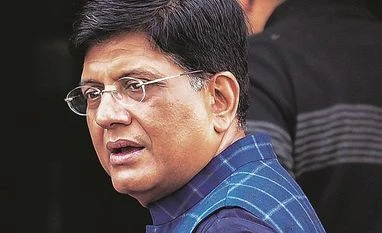
Piyush Goyal, commerce and industry minister
Commerce and industry minister Piyush Goyal
Subhayan ChakrabortyAditi Divekar New Delhi/Mumbai
2 min read Last Updated : Jul 23 2019 | 1:21 AM IST
Domestic industry, across a broad range of sectors, has called for caution on India joining the Regional Comprehensive Economic Partnership (RCEP) bloc.

Fear of Chinese goods flowing into the country unhindered if the deal goes through was the primary concern among industry representatives. 

Commerce and industry minister Piyush Goyal met representatives during a series of parleys in Mumbai on Monday to allay fears.

The RCEP is a proposed pact between 10 Asean economies and six others (New Zealand, Australia, China, India, Japan, and South Korea) with which Asean currently has free-trade agreements (FTAs). 

At a time when major export sectors continue to struggle under falling global demand, most sectors have expressed dumping fears, a person present in the meeting, said. 

Representatives from sectors such as steel, aluminium, agriculture, food processing, leather, pharmaceuticals, chemicals, engineering goods and automobiles, among others, gave their suggestions on the deal.

The government has assured the steel sector that items that had earlier been removed from the purview of the RCEP, won’t be brought back. Steelmakers had demanded that steel products be completely removed.

Now, steel products have been divided into five categories of A, B, C, D and E, with products carrying customs duty for five, 10, 15, 20 and 25 years, respectively. 

Within hot rolled and cold rolled products, there are different duties. On the other hand, hot rolled and cold rolled coils have duties unchanged. Officials from Hindalco, Vedanta and JSW Steel attended the meet.

In its most direct statement on the matter ever since talks began, India told Asean nations earlier this month that the domestic industry is not convinced that the proposed RCEP deal will create a ‘win-win situation for all’ and ensure balanced outcomes for both goods and services. 

The government has also been under pressure to review existing FTAs with South Korea and Japan, that haven’t been able to reduce India's trade deficit with these nations. 

New Delhi has resisted calls by most nations, which argued that India should slash existing tariffs on up to 90 per cent of all goods. There were demands by developed economies such as Japan and Australia that India open up the market to specific products such as dairy and engineering goods.

Against that backdrop, the future of the mega trade bloc, under planning since 2012, is uncertain; more so, as several ministries have opposed the talks.


One subscription. Two world-class reads.

Already subscribed? Log in

Subscribe to read the full story →
*Subscribe to Business Standard digital and get complimentary access to The New York Times

Smart Quarterly

₹900

3 Months

₹300/Month

SAVE 25%

Smart Essential

₹2,700

1 Year

₹225/Month

SAVE 46%
*Complimentary New York Times access for the 2nd year will be given after 12 months

Super Saver

₹3,900

2 Years

₹162/Month

Subscribe

Renews automatically, cancel anytime

Here’s what’s included in our digital subscription plans

Exclusive premium stories online

  • Over 30 premium stories daily, handpicked by our editors

Complimentary Access to The New York Times

  • News, Games, Cooking, Audio, Wirecutter & The Athletic

Business Standard Epaper

  • Digital replica of our daily newspaper — with options to read, save, and share

Curated Newsletters

  • Insights on markets, finance, politics, tech, and more delivered to your inbox

Market Analysis & Investment Insights

  • In-depth market analysis & insights with access to The Smart Investor

Archives

  • Repository of articles and publications dating back to 1997

Ad-free Reading

  • Uninterrupted reading experience with no advertisements

Seamless Access Across All Devices

  • Access Business Standard across devices — mobile, tablet, or PC, via web or app

Topics :Piyush GoyalRCEPrcep meet

Next Story


