3 min read Last Updated : Aug 24 2021 | 1:18 AM IST
Shopping and mobility indicators pointed to strengthening economic recovery as Covid-19 cases remain subdued in much of the country.
There have been fewer than 40,000 cases daily in the previous week compared to a peak daily number of over 400,000 in May, shows data from tracker covid19india.org.
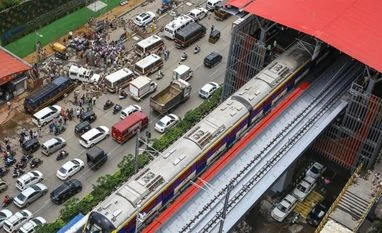
Traffic in the financial capital was at 90 per cent of levels seen in pre-pandemic times. New Delhi traffic had come back to 85 per cent of normal levels, shows global location technology firm TomTom International data (see chart 1).
People stepped out more for multiple reasons; but essential shopping, and retail and recreation visits marked some of the strongest gains. Shopping for groceries and medicines were 31.1 per cent higher than in pre-pandemic times. Retail and recreation visits were nearly 85 per cent of what was seen before Covid-19 became widespread (see chart 2). Mobility data is based on anonymized location data from search engine Google. It is released with a lag. The latest is as of August 17.
Business Standard also tracks emissions of nitrogen dioxide. It comes from industrial activity and vehicles. Delhi’s emissions were nearly at 2019 levels. Mumbai emissions, based on Bandra locality data, have also returned to normal levels (see chart 3,4).
The Indian Railways also saw strong growth in the amount of goods carried. The quantity was 19.6 per cent higher for the week ending Sunday, than the corresponding period in the previous year. Earnings from the goods carried were 20.8 per cent higher (see chart 5).
Power demand remained strong last week but it moderated on a week-on-week basis after reaching a two-year high. Over 4300 million units of electricity was generated per day on average during the week ended August 22 slightly lower than the daily average of the previous week. Generation was however up around 20 per cent year-on-year over the same week in 2020 and 2019. The surge in power demand is attributed to the rise in industrial activity and normalisation of retail and recreation hours in major cities besides the reduction in the monsoon activity across the country.
Business Standard tracks these indicators as a means of keeping track of how the economy is doing ahead of the release of official data. The government often releases numbers with a lag. Analysts globally have tracked such indicators to get a sense of the fast-changing situation on the ground, as different countries went into lockdown to control the pandemic. All data, except Google, is as of Sunday, August 22.