
Reserve Bank of India may curb first-loss default guarantees
Only regulated entities, rated arrangements can pass muster
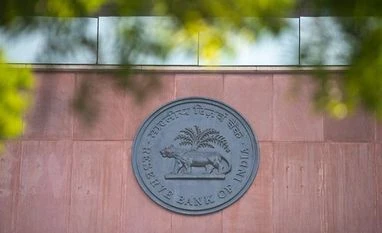 "Reserve Bank of India may curb first-loss default guarantees")
premium
WebinarsNew
Deep DiveNew
Explore Business Standard
Only regulated entities, rated arrangements can pass muster
The Reserve Bank of India (RBI) has sought details of first-loss default guarantee (FLDG) exposures of select banks and shadow banks, even as it has informally conveyed to them that it is not comfortable with the arrangements in vogue now.
An FLDG is a back-up offered by digital platforms (or, other unregulated entities) as guarantee to lenders (regulated) on whose behalf they source business.
The move to seek details on FLDG arrangements comes even as there is speculation in banking circles that the central bank is working on a master circular on outsourcing itself.
When read together, the stage appears to be set for a shake-out among financial technology companies, and by extension, the terms of their partnerships with banks and non-banking financial companies (NBFCs).
“The RBI is said to be taking a fresh look at how FLDGs are structured, as many are issued by unregulated, non-rated entities, and ride on private equity capital,” said a senior banker.
Multiple other sources said that the central bank appears to be on a sizing study on FLDGs before it comes out with a set of guidelines on the issue.
As on date, there is no data on outstanding FLDGs, and the RBI may now insist that only entities regulated by it can issue them. And that banks and NBFCs also reveal the outstanding FLDG exposures they have on their books.
FLDG is a new structure which has come into play in recent times and is a grey regulatory area.
The concern of the RBI is that banks and NBFCs which accept FLDGs may go easy on their risk underwriting.
“The regulated entities have to take responsibility for underwriting the risks. These cannot be outsourced to an entity issuing an FLDG which may not even be in a position to honour them when they are invoked,” said a source.
There are also no standard practices on the issuance and acceptance of FLDGs. Some FLDG arrangements are said to be in excess of 20 per cent of the portfolio which has been originated by unregulated entities.
On paper, the FLDG acts as a demonstration of underwriting skills, whereas from the lender’s perspective, it ensures they have skin in the game. But in reality, the lenders — in doing business backed by FLDGs — are taking on off-balance exposure, while the FLDG issuer is basically renting a regulated entity.
Senior bankers also called attention to the larger setting in which the RBI’s move on the FLDG front is to be seen.
Banks and a few leading NBFCs went in for retail lending (when corporate loans came under stress) and tapped into the relatively new-to-credit segment which had little by way of credit histories. It was also aided by the fact that the RBI in September 2019 reduced the risk weight on consumer loans by 25 basis points to 100 per cent, at a time when the economy was slowing down.
Moody’s had warned at that time that “the reduction in risk weight would encourage banks to increase their exposure to this loan segment, at a time when credit risks are already increasing from a slowing economy”.
And now you have the fresh headwinds coming from the Ukraine crisis, and the switch in the interest-rate cycle.
Already subscribed? Log in
Subscribe to read the full story →

3 Months
₹300/Month
1 Year
₹225/Month
2 Years
₹162/Month
Renews automatically, cancel anytime

Premium stories handpicked daily by our editors


News, Games, Cooking, Audio, Wirecutter & The Athletic
Digital replica of our daily newspaper — with options to read, save, and share


Insights on markets, finance, politics, tech, and more delivered to your inbox
In-depth market analysis & insights with access to The Smart Investor


Repository of articles and publications dating back to 1997
Uninterrupted reading experience with no advertisements


Access Business Standard across devices — mobile, tablet, or PC, via web or app
First Published: Apr 28 2022 | 6:05 AM IST

