Saffron crop damage estimated at Rs 860 cr
Recent flash floods have taken a heavy toll on the crop , damaging as much as 70%
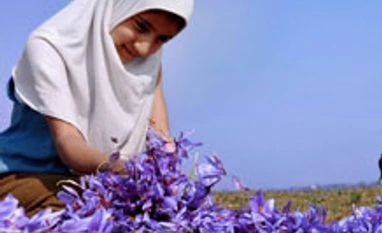
Komal Amit Gera Chandigarh This year's saffron production in Kashmir is expected to be one-third of what was estimated by the Jammu & Kashmir agriculture department.
Mushtaq Ahmed Shah, the director of the department, told Business Standard that the recent flash floods have taken a heavy toll on the crop and about 70 per cent of the crop has been damaged.
The state government had projected a crop size of 15 tonnes on the basis of last year’s output, but close to 10 tonnes had been lost in the floods, he said. The total loss might work out to Rs 860 crore. The price of saffron is assessed in terms of the stigma (stigmas are used in cuisines as a seasoning and colouring agent) and the corms (the bulb of the plant used as seed). The state government has estimated a loss of about Rs 168 crore of the stigma and 693 for the corms.
Saffron is sown once in 10-15 years. However, with bulbs or plants grossly damaged in floods, resowing has to be done in the next season and seeds for that will be available from the crop that could be saved. Hence, there could be scarcity of Kashmir saffron for some more years. Farmers have not been able to assess their losses. In India, saffron is grown only in Kashmir, so seeds are not available in the open market and farmers will have to multiply their own seeds.
The average price of saffron (with stem) this year is Rs 1,500 per 10 g, said a farmer. The average price last year was about Rs 1,300 per 10 g. Iranian saffron is significantly cheaper than Kashmir saffron and is imported to bridge the demand-supply gap in India. The annual consumption in India is 40 tonnes and major consumers are pharmaceutical and food processing companies.
Major saffron-growing areas of Kashmir are: Pulwama, Budgam and Kishtwar. Pampore in district Pulwama has the maximum number of saffron fields and this area is worst-affected.
Some farmers said 90 per cent of their crop was damaged. Abdul Mijid Vani, a saffron grower, has lost his entire crop, as his field remained inundated for many days.
Hilal Magray, a farmer and owner of Zamindar Kesar Company at Pampore, has lost most of his crop. Saffron doesn't need high moisture. The state government has sought at least 50 per cent compensation for saffron growers.

 "Saffron crop damage estimated at Rs 860 cr")


 Connect with us on WhatsApp