Steel industry needs more curbs, says ThyssenKrupp CEO Guido Kerkhoff

The biggest steel-making nation has reshaped the industry in the past three years by closing plants, tightening environmental controls and imposing targeted production curbs

Steel
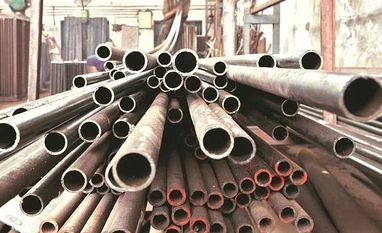
Representative Image
Bloomberg
Last Updated : Oct 28 2018 | 12:55 AM IST
Steelmakers in China and the rest of the world need to do more to reduce overcapacity, according to Guido Kerkhoff, chief executive officer of Germany’s ThyssenKrupp AG.

While China has made good progress in curbing over-production, there’s room for even more cuts, Kerkhoff told reporters in a group interview in Shanghai on Saturday. The biggest steelmaking nation has reshaped the industry in the past three years by closing plants, tightening environmental controls and imposing targeted production curbs.

“There is still overcapacity worldwide” and reducing that “needs to continue” not only in China, but in Europe and the rest of the world, he said.

China’s steel exports have dropped to the lowest levels in five years, buoying world prices and cementing the sector’s recovery after a devastating crisis at the end of 2015. While the industry has since enjoyed a relatively benign few years, risks are rising amid global trade tensions in which steel has been a leading target. The World Steel Association predicts a slowing of demand next year as China’s growth declines.

Joint Venture

Asked which regions needed to take most action in curbing capacity, Kerkhoff noted that China produces about half the world’s steel and the issue must be addressed according to relative size. Europe has also taken steps, he said, including via ThyssenKrupp’s joint venture with Tata Steel that created the region’s second-biggest producer.

Kerkhoff was speaking weeks after he was confirmed as CEO to steer a split of the iconic German industrial conglomerate into two listed units. One will manage its elevator, auto parts and plant construction businesses, the other its steel and metals operations.

US tariffs on steel imports imposed by President Donald Trump earlier this year have triggered inflows into Europe, Kerkhoff said. The European Union was among seven members of the World Trade Organization that escalated its response to the tariffs last week by seeking a ruling on their legality from the WTO’s disputes settlement body.

“As a company we do not export much into the US, and the qualities we do sell are often products that are not produced there, so our customers stick to them,” he said. “What we see is more an indirect effect. Material that would have gone to the US is entering one way or another into Europe. We see volumes from Turkey, volumes from Russia increasing in the European market.”

One subscription. Two world-class reads.

Already subscribed? Log in

Subscribe to read the full story →
*Subscribe to Business Standard digital and get complimentary access to The New York Times

Smart Quarterly

₹900

3 Months

₹300/Month

SAVE 25%

Smart Essential

₹2,700

1 Year

₹225/Month

SAVE 46%
*Complimentary New York Times access for the 2nd year will be given after 12 months

Super Saver

₹3,900

2 Years

₹162/Month

Subscribe

Renews automatically, cancel anytime

Here’s what’s included in our digital subscription plans

Exclusive premium stories online

  • Over 30 premium stories daily, handpicked by our editors

Complimentary Access to The New York Times

  • News, Games, Cooking, Audio, Wirecutter & The Athletic

Business Standard Epaper

  • Digital replica of our daily newspaper — with options to read, save, and share

Curated Newsletters

  • Insights on markets, finance, politics, tech, and more delivered to your inbox

Market Analysis & Investment Insights

  • In-depth market analysis & insights with access to The Smart Investor

Archives

  • Repository of articles and publications dating back to 1997

Ad-free Reading

  • Uninterrupted reading experience with no advertisements

Seamless Access Across All Devices

  • Access Business Standard across devices — mobile, tablet, or PC, via web or app

Next Story




