When the rains fail ...
In India, where more than 60% of workers are in the farm sector, below-normal rains extract a terrible human cost
BS Bureau Mumbai It’s official – India has a deficient monsoon this year, triggering fears of a drought in many states. The Meteorological Department last week said the rainfall this year would be only 87% of the long-term average of the past 50 years. Clearly, this has wide ramifications for the wider economy, especially small and marginal farmers who subsist on agriculture.
Already, a delayed and less-than-normal monsoon has pushed back the sowing schedule for many crops, driving some farmers to take their own lives, besides raising fears of a smaller harvest for some cereals and pulses, an important protein source for many in the country.
In a country that also depends on monsoon rains to fill water reservoirs and shore up already-depleted groundwater reserves, any deficiency also means an abrupt cutback in available resources for both drinking as well as irrigation.
Additionally, it raises concerns about a likely spike in food inflation, though the government has said it will release foodgrains from its swollen reserves to contain prices.
In this special section we take a look at what a deficient monsoon means for the country, and more importantly, the farmers who are the first and worst hit when the rains fail.

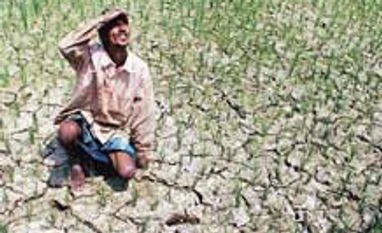 "When the rains fail ...")


 Connect with us on WhatsApp