Where does India stand on central bank digital currency?

Sixteen of the 90 countries in the world are in the pilot stage of central bank digital currencies
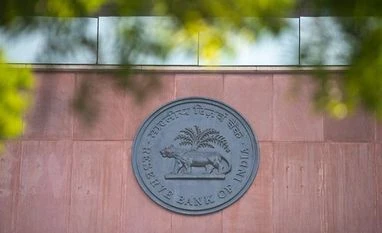
RBI, Reserve Bank of India
Photo: Shutterstock
Ishaan Gera
1 min read Last Updated : Dec 02 2021 | 12:55 AM IST
On Monday, finance minister Nirmala Sitharaman announced in Parliament that the Centre had not received any proposal to recognise bitcoin as a currency in India. Additionally, she said that the Reserve Bank of India had recommended widening the definition of “bank notes” to include central bank digital currency (CBDC).

While the cryptocurrency bill is awaited, analysis shows that India is not the only major economy developing a central bank digital currency.


Data from Atlantic Council’s database shows that 87 countries, which account for 90 per cent of the world’s GDP, are exploring a CBDC—three have already cancelled their projects. While seven countries, with Nigeria being the latest one, have launched their CBDC, 16 are in the pilot stage, and 15 are in development.


The big names in the pilot stage are China, Saudi Arabia, Sweden and South Korea. A Reuters report released in November had quoted a People’s Bank of China (PBOC) official claiming that 140 million people had opened wallets for digital yuan and $9.7 billion worth of transactions had been conducted in the digital currency till the end of October.

India, in this regard, is far behind its peers. South Africa, Brazil and Russia are in the development stage of CBDCs, whereas India, along with 39 other countries, is still in the research phase.

Atlantic council data shows that the interest in CBDCs has increased in the last three months. In April, 74 countries were at different phases of CBDC development; in November, 16 more have been added to the count. While only 1 per cent of the total countries had launched CBDC until April, nearly 8 per cent have launched CBDC. Nearly two-fifths of the world is still in the research stage.

In a 2017 white paper, The Institute for Development & Research in Banking Technology, an RBI established research institution, had discussed digitising the rupee using blockchain technology.

One subscription. Two world-class reads.

Already subscribed? Log in

Subscribe to read the full story →
*Subscribe to Business Standard digital and get complimentary access to The New York Times

Smart Quarterly

₹900

3 Months

₹300/Month

SAVE 25%

Smart Essential

₹2,700

1 Year

₹225/Month

SAVE 46%
*Complimentary New York Times access for the 2nd year will be given after 12 months

Super Saver

₹3,900

2 Years

₹162/Month

Subscribe

Renews automatically, cancel anytime

Here’s what’s included in our digital subscription plans

Exclusive premium stories online

  • Over 30 premium stories daily, handpicked by our editors

Complimentary Access to The New York Times

  • News, Games, Cooking, Audio, Wirecutter & The Athletic

Business Standard Epaper

  • Digital replica of our daily newspaper — with options to read, save, and share

Curated Newsletters

  • Insights on markets, finance, politics, tech, and more delivered to your inbox

Market Analysis & Investment Insights

  • In-depth market analysis & insights with access to The Smart Investor

Archives

  • Repository of articles and publications dating back to 1997

Ad-free Reading

  • Uninterrupted reading experience with no advertisements

Seamless Access Across All Devices

  • Access Business Standard across devices — mobile, tablet, or PC, via web or app

Topics :cryptocurrencydigital currencyRBI

Next Story



