Chile’s economic elites could live with a government that was an international pariah politically, as long as its free-market, export-oriented policies stayed intact and their profits kept rolling in. But when exports to the United States became threatened by General Pinochet’s labor policies, business interests began softening their support for the dictatorship. In 1991, with a new democratically elected government in place, the most abusive features of the labor code removed, and an end to physical violence against trade union activists, Chile’s GSP benefits were restored.
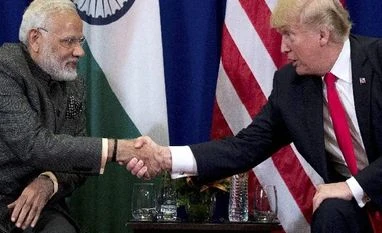
The latest action, however, isn’t about improving workers’ conditions or enforcing property rights. In expelling India, the largest GSP beneficiary, the Trump administration is making a declaration: While its trade relationship with New Delhi may not be as frayed as it is with Beijing, it’s certainly fraught. The last straw, as my colleague Mihir Sharma wrote, may well have been India’s aggressive moves against US tech giants, which restricted online sellers such as Amazon.com Inc. and gave Indian tycoon Mukesh Ambani’s e-commerce ambitions a leg up.

 "Will Trump's move to deny India duty free exports work? Here's a shiny clue")











