US decision to end Iran oil waivers gives ammo to PM Modi's opposition

Criticism that his diplomacy has failed to guarantee continued access to cheaper Iranian oil comes in the middle of India's weeks-long general election, which began on April 11

Modi
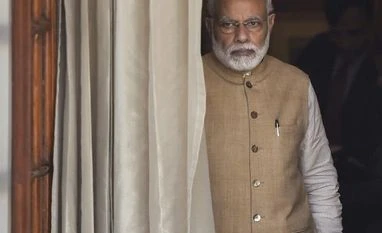
Prime Minister Narendra Modi | PTI photo
Debjit Chakraborty and Iain Marlow | Bloomberg
2 min read Last Updated : Apr 26 2019 | 9:18 AM IST
US President Donald Trump’s move to pressure Iranian oil importers is turning into a headache for India’s government in the midst of a re-election battle.

Indian Prime Minister Narendra Modi, whose government is one of the world’s biggest importers of Iranian crude, is now facing opposition attacks over his inability to win concessions from Washington. Criticism that his diplomacy has failed to guarantee continued access to cheaper Iranian oil comes in the middle of India’s weeks-long general election, which began on April 11.

“The US ban on exporting crude oil from Iran to India, is it not an attack on India’s sovereignty?” Randeep Singh Surjewala‏, a Congress Party lawmaker and national spokesman, said on Twitter this week. “Why is Modiji, who falsely boasts of his bravery, now silent?”

Another national opposition party, the Communist Party of India (Marxist), also condemned the US decision for its negative impact on India and said Modi must continue buying Iranian oil, which is close-by and comparatively cheap. The party also urged foreign minister Sushma Swaraj -- who has previously said India only recognized United Nations-imposed sanctions -- to reject Trump’s “illegal” move.

“Any step to stop importing oil from Iran will harm India’s energy security and national interests,” the communist party said. “Since the United States has unilaterally imposed these illegal sanctions, the BJP-led government must reject these sanctions and continue to buy oil from Iran which is in the country’s interests.”


G V L Narasimha Rao, a spokesman for Modi’s Bharatiya Janata Party, didn’t respond to requests for comment on Thursday.

Although Modi’s administration faced political pressure over rising petrol prices when crude oil surged in October -- forcing the government to cut taxes on petrol and diesel -- prices at the pump haven’t gone up significantly since the election.

But gasoline prices could tick up after they begin to reflect the spike in crude oil following the White House’s announcement that they would eliminate Iran oil waivers by May 2. That’s unless Modi intervenes by ordering the oil companies to absorb the difference, which they have done in the past.

One subscription. Two world-class reads.

Already subscribed? Log in

Subscribe to read the full story →
*Subscribe to Business Standard digital and get complimentary access to The New York Times

Smart Quarterly

₹900

3 Months

₹300/Month

SAVE 25%

Smart Essential

₹2,700

1 Year

₹225/Month

SAVE 46%
*Complimentary New York Times access for the 2nd year will be given after 12 months

Super Saver

₹3,900

2 Years

₹162/Month

Subscribe

Renews automatically, cancel anytime

Here’s what’s included in our digital subscription plans

Exclusive premium stories online

  • Over 30 premium stories daily, handpicked by our editors

Complimentary Access to The New York Times

  • News, Games, Cooking, Audio, Wirecutter & The Athletic

Business Standard Epaper

  • Digital replica of our daily newspaper — with options to read, save, and share

Curated Newsletters

  • Insights on markets, finance, politics, tech, and more delivered to your inbox

Market Analysis & Investment Insights

  • In-depth market analysis & insights with access to The Smart Investor

Archives

  • Repository of articles and publications dating back to 1997

Ad-free Reading

  • Uninterrupted reading experience with no advertisements

Seamless Access Across All Devices

  • Access Business Standard across devices — mobile, tablet, or PC, via web or app

Next Story




