59-60 a dollar right level for rupee, says FM
Chidambaram says rupee still competitive for exporters
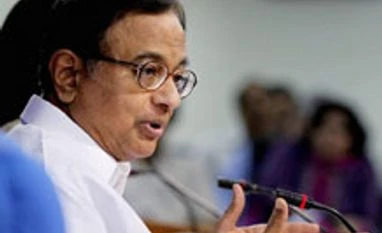
BS Reporter Mumbai Finance Minister P Chidambaram has said the rupee’s “right value” is 59-60/dollar.
After falling 21 per cent between April and August, the rupee reversed the trend this month, aided by the Reserve Bank of India (RBI)’s policy initiatives to attract inflows. The US Federal Reserve’s decision to postpone tapering of its asset-purchase programme also supported emerging market currencies. In September, the rupee has appreciated five per cent against the dollar.
“I think the rupee has to find its level…not only I, a large number of people think the right level of the rupee is between 59 and 60,” Chidambaram said, while addressing exporters at an event here.
On Monday, Economic Affairs Secretary Arvind Mayaram had said the intrinsic value of the rupee in real effective exchange rate (REER) terms was between 58 and 60.
On Friday, the rupee ended at 62.50/dollar, against the previous close of 62.08, as foreign banks bought dollars for custodial clients. Data on the government’s current account deficit, due on Monday, are expected to provide a direction to the currency.
“We think based on REER, etc, that is the right level of the rupee. The rupee should not overshoot its mark. But even at 59-60, I think it’s extremely competitive to export to many markets,” the finance minister said. During his interaction with exporters, who had complained interest rates in India were high, particularly compared to China, Chidambaram said the macroeconomic environments of the two countries weren’t comparable. “The two economies are very different. It is simply not possible that the cost of money in China and the cost of money in India will be the same.”
He said to make exports competitive, the government provided interest rate subvention to a few sectors. “Interest rates cannot be equated; it is a factor cost. All factor costs all over the world aren’t the same. Interest rates are decided by the policy rates of RBI, the cost of money to banks…which is why the commerce ministry gives subvention to certain sectors,” he said.
On demands to extend priority sector status to export credit, he said the finance ministry supported the move and was in discussions with the central bank, which would take a decision on the matter. “The Ministry of Finance supports the idea that export credit should be put in the priority sector, but it is a matter on which we are talking to RBI. There are some issues that have to be resolved. The fear is if you put export credit to the priority sector, some other elements of priority sector may be affected,” he said.

 "59-60 a dollar right level for rupee, says FM")


 Connect with us on WhatsApp