Banks set to take a hit on treasury portfolio
Yield might end the quarter at a level where it had begun
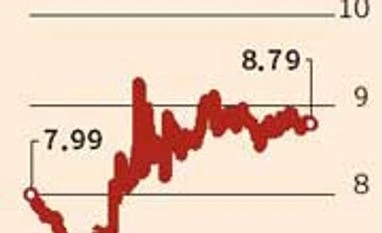
Neelasri Barman Mumbai The yield on the 10-year benchmark government bond might end the fourth quarter ending March 31 at a level very close to where it had begun the quarter, resulting in mark-to-market (MTM, the writing down of assets to reflect current values) losses for banks.
Earlier, there were expectations that the Reserve Bank of India (RBI) might cut the repo rate in the third quarter monetary policy review held in January. However, RBI raised the repo rate by 25 basis points due to concerns on core inflation. This resulted in yields remaining elevated.
Banks already have the burden of making provisions for bad loans and they will also have to make provisions for the MTM losses, said bankers. Due to this reason, many public-sector banks have asked the regulator to allow it to charge MTM losses to its balance sheet, instead of profit-and-loss accounts to mitigate the impact.
“Many banks have requested RBI to charge MTM losses to the balance sheet. This is because banks are going to take a hit on their treasury portfolio. There were expectations that in January the repo rate may be cut and bond yields may move down. But that did not happen. And for next week's policy review, too, the Street does not expect a rate cut. Due to these factors, the yield on the 10-year bond did not change much from the levels it had begun at the start of the quarter,” said the head of treasury of a public-sector bank.
Due to the extreme liquidity tightening steps taken by RBI in July, banks had taken a major hit on their treasury portfolio. However, later, banks wanted RBI to amortise the MTM losses spread equally over the next three quarters beginning from the second quarter.
“RBI had earlier given time to amortise losses spread over three quarters. This being the last quarter, banks will have to take pending losses in this quarter itself. There was expectation that the 10-year bond yield would cool off by year-end, thereby reversing the losses of the past. But unfortunately, that did not happen. The losses will be of similar quantum, which was taken by these banks in the third quarter,” said Rajiv Mehta, banking analyst with India Infoline.
The Street expects status quo on key policy rates in the first bi-monthly monetary policy review for 2014-15 to be detailed on April 1. Due to that, the yield on the 10-year benchmark bond 8.83 per cent 2023 is not seen moving much from current levels. The yield on the bond was at 8.83 per cent on December 31 and it ended at 8.79 per cent on Tuesday. On Monday, the yield had ended at 8.78 per cent.
ALSO READ:
Banks would have booked Rs 30,000 cr MTM loss: Icra ALSO READ:
SBI wants to 'charge' MTM losses to balance sheet
 "Banks set to take a hit on treasury portfolio")


 Connect with us on WhatsApp